What Homeowners Should Finish Outdoors Before Winter Hits
Before winter arrives in Pittsburgh's South Hills, take a closer look at outdoor projects that may be harder to address once temperatures drop. Some landscaping improvements can wait until spring, but drainage, concrete, grading, and damaged hardscapes may need attention sooner.
South Hills homeowners should prioritize drainage problems, damaged concrete, unstable walkways, erosion, and unfinished grading before winter. These conditions can affect how water moves across a property, how outdoor surfaces hold up through freezing weather, and how safely homeowners can access their homes.
The goal isn't to finish every landscaping project before winter. It's to identify what needs attention, what can be stabilized, and what can reasonably wait.
Why Fall Is an Important Deadline for Outdoor Projects
Fall landscaping in South Hills Pittsburgh involves more than seasonal cleanup. It's also a time to assess outdoor conditions before freezing temperatures, snow, and winter runoff complicate certain work.
Concrete installation, excavation, and grading all depend on suitable site and weather conditions. As temperatures drop and the ground freezes, scheduling and completing these projects can become more challenging.
Existing property issues can also change during winter. Water may freeze in damaged concrete, drainage problems can contribute to icy surfaces, and runoff during thawing periods may affect exposed soil.
Not every problem will become worse over a single winter. However, identifying concerns in the fall gives homeowners more time to understand their options and decide what to address first.
Address Concrete Problems Before Freeze-Thaw Weather
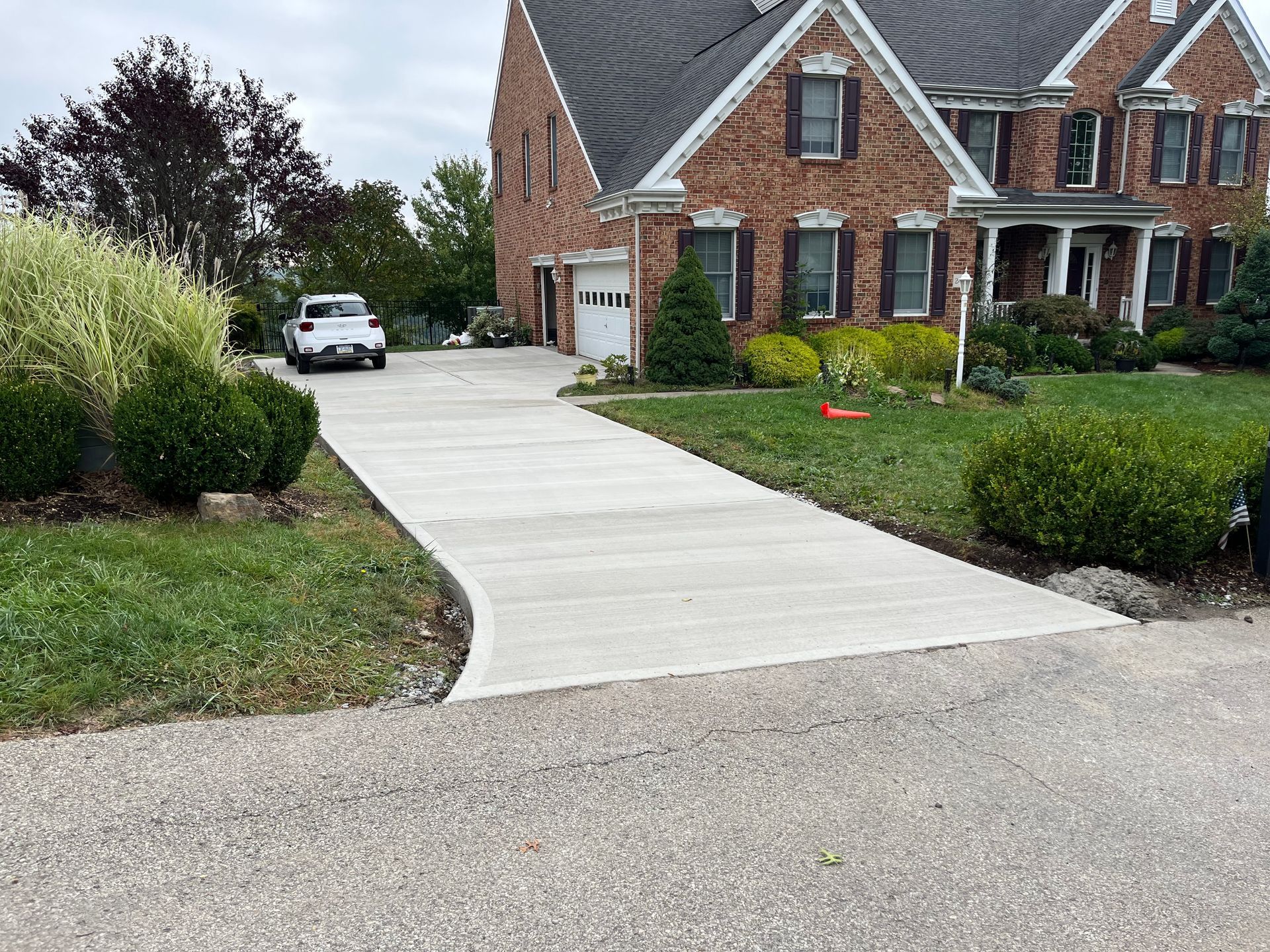
Pittsburgh winters expose concrete driveways, patios, sidewalks, and steps to changing temperatures.
When moisture seeps into cracks or damaged areas and freezes, it expands and worsens deterioration. Repeated freezing and thawing may gradually widen existing cracks or affect the concrete surface.
Before winter, check for visible cracks, uneven sections, deteriorating edges, and areas where water regularly collects.
Pay particular attention to concrete steps and walkways used throughout the winter. Uneven surfaces can become harder to navigate when covered with snow or ice.
Not every concrete issue requires immediate replacement. Some conditions may be manageable with maintenance or repairs, while other situations may justify replacing a damaged section.
The right solution depends on the concrete's condition and the problem's cause.
If you're considering protective maintenance, read our guide to protecting your concrete driveway from Pittsburgh winters.
Fix Drainage Issues Before Snow and Winter Runoff
Drainage is a key consideration when preparing a property for winter, especially where water regularly collects near structures or traveled surfaces.
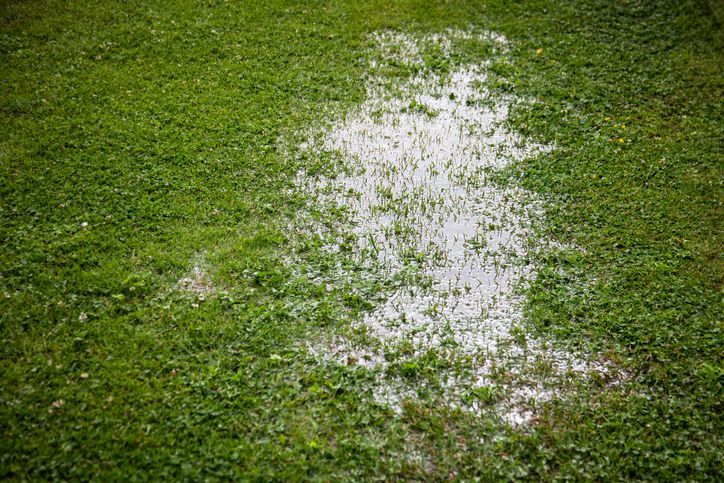
Standing water and poorly directed runoff can cause problems during freeze-thaw cycles. Water that collects on a walkway or driveway may freeze, while runoff moving across exposed soil can contribute to erosion.
Signs worth investigating include:
- Water pooling near the home's foundation
- Lawn areas that remain saturated after rainfall
- Soil or mulch repeatedly washing downhill
- Runoff crossing driveways or walkways
- Water collecting near retaining walls
These conditions don't always require the same solution. Depending on the property, improvements may involve grading changes, surface water management, or an installed drainage system.
Koenig's Landscaping & Construction offers drainage solutions, including traditional French drains and HydroBlox systems.
An evaluation can help determine where water originates, how it moves across the property, and which improvements may be appropriate.
Addressing drainage concerns before winter may also help homeowners identify areas that require monitoring during snowmelt.
Evaluate Landscape Tear-Outs, Grading, and Problem Areas
Some outdoor spaces need more attention than routine cleanup or seasonal planting.
Overgrown landscape beds, uneven ground, and deteriorating landscape features can make it difficult to maintain an area or address existing drainage concerns.
Fall is a good time to decide whether these areas need selective removal, grading adjustments, or a larger landscape tear-out.
For example, an unfinished landscaping project may leave soil exposed on a slope. Poor grading may direct surface water toward a walkway or another part of the property where it collects.
In these situations, controlling runoff and stabilizing affected areas may be more important than completing the full landscape design before winter.
Homeowners planning significant property changes can review when a full landscape tear-out makes sense and what the process involves.
For projects that change the ground's elevation or surface conditions, excavation and grading services may also be part of the solution.
If a contractor can't complete a larger installation before winter, they can help determine what site preparation or temporary stabilization may be appropriate.
Repair Hardscapes and Improve Winter Access
Inspect outdoor walkways, steps, patios, and retaining walls for visible damage before winter.
Loose pavers, uneven walking surfaces, and shifting steps can create potential hazards, especially when snow and ice make surface conditions harder to see.
Retaining walls that show movement, cracking, or drainage issues may also require closer evaluation.
Homeowners should pay particular attention to frequently used outdoor routes, including walkways between driveways and entrances, garage access areas, and exterior steps.
For properties with elevation changes, safe winter access may require additional consideration.
Some hardscape repairs may be appropriate before winter, while larger improvements may need to be scheduled for a time when installation conditions are more suitable.
A professional assessment can help distinguish cosmetic concerns from conditions that affect an outdoor feature's stability or everyday use.
What Can Wait Until Spring?
Not every outdoor project needs to be completed in the fall.
Projects involving active drainage problems, erosion, unstable surfaces, or access concerns generally deserve earlier evaluation. Improvements focused mainly on appearance or outdoor entertaining can often wait until spring.
For example, a decorative patio upgrade may not be a winter priority if the existing space is stable and functioning properly. A walkway with significant unevenness or a drainage issue that repeatedly creates ice deserves more immediate attention.
Similarly, homeowners may choose to postpone new planting beds, decorative hardscape features, or larger landscape redesigns until warmer weather.
The difference depends on the property's condition and the project's purpose.
If an existing issue could interfere with access, drainage, or the stability of an outdoor area, it makes sense to evaluate it before deciding to wait.
Even when construction is postponed, fall can still be useful for discussing project goals, reviewing site conditions, and planning work for the following season.
When Should South Hills Homeowners Schedule a Professional Evaluation?
Homeowners should consider scheduling an outdoor property evaluation when they notice recurring drainage problems, damaged concrete, shifting hardscapes, erosion, or grading concerns.
An evaluation can help determine whether a problem needs attention before winter or can wait until spring.
It can also identify situations where temporary measures may help until more extensive improvements are possible.
Because construction schedules and working conditions vary, don't assume every project can be completed before temperatures drop.
As Dustin Koenig, owner of Koenig's Landscaping & Construction, explains:
"One of the major mistakes homeowners can make is putting off outdoor problems that are already showing signs of trouble. Drainage issues, damaged concrete, and uneven yard areas may become harder to address once winter weather arrives. Fall is a good time to take a closer look, figure out what needs attention now, and make a plan for anything that can wait until spring."
This approach gives homeowners a practical way to prioritize necessary work without rushing into improvements that may be better suited for another season.
Plan Your Outdoor Improvements Before Winter
Preparing your property for winter doesn't require completing every outdoor improvement on your list.
Instead, focus on conditions that affect drainage, concrete surfaces, grading, and access. Identifying these issues in the fall helps you decide which projects need attention and which can wait for better weather.
Koenig's Landscaping & Construction serves homeowners throughout the South Hills of Pittsburgh with landscaping, concrete, drainage, excavation, grading, and hardscape services.
If you're considering outdoor improvements before winter, contact Koenig's Landscaping & Construction for a free quote and to discuss your property and project goals.
Frequently Asked Questions About Fall Outdoor Projects
Which outdoor projects should Pittsburgh homeowners prioritize before winter?
Homeowners in Pittsburgh's South Hills should prioritize drainage issues, damaged concrete, uneven walkways, erosion, and unfinished grading. These conditions may be harder to address in freezing weather or can worsen during winter thaw cycles. Decorative landscaping and nonessential outdoor upgrades can often wait until spring.
Is fall too late to complete landscaping or grading projects?
Not necessarily. Some landscaping, excavation, and grading work can be completed during fall when soil conditions, temperatures, and contractor schedules allow. However, projects involving concrete installation, extensive excavation, or significant ground disturbance may require additional weather considerations. A professional evaluation can help determine whether to proceed or schedule work for spring.
Can drainage problems get worse during winter?
Yes. Existing drainage issues can create additional concerns when precipitation, melting snow, and freezing temperatures affect how water moves across a property. Areas where water collects may develop icy surfaces, while runoff can contribute to soil erosion during thawing periods. Addressing recurring drainage problems before winter may help reduce these risks.
Should homeowners repair damaged concrete before winter or wait until spring?
The decision depends on the type and severity of the damage. Uneven steps, deteriorating walkways, and areas where water regularly collects deserve evaluation before winter. You may be able to address minor cosmetic issues later. Because concrete repairs and replacement depend on suitable installation and curing conditions, a contractor can help determine the best timing.