Evaluating Outdoor Projects After a Year of Use: What Homeowners Should Look For
A year after completing an outdoor project, homeowners better understand how their landscaping, concrete, drainage systems, and hardscaping perform in everyday conditions. What looked good immediately after installation has now experienced seasonal weather, regular use, and changing ground conditions.
This makes the one-year mark a useful time to evaluate whether everything is functioning as intended. For homeowners in Pittsburgh and surrounding areas, seasonal changes can reveal concerns that weren't noticeable when the project was first completed. Heavy rainfall, winter freezing and thawing, and summer heat can all affect outdoor surfaces, soil, and plant growth.
Knowing what to look for helps you spot minor maintenance needs, recognize potential problems, and decide when you need a repair or replacement.
How Can You Tell If an Outdoor Improvement Needs Repair or Replacement?
The most useful way to evaluate an outdoor project is to look beyond its appearance and consider how well it functions.
Minor surface wear, seasonal plant changes, or small maintenance needs do not automatically mean something was installed incorrectly or needs replacement. However, recurring drainage problems, expanding concrete cracks, unstable hardscaping, or continued plant decline may require further evaluation.
The key difference is whether the problem is isolated and manageable or indicates a larger issue affecting the project's performance. A repair may be appropriate when damage is limited, and the surrounding materials remain stable. Replacement or more extensive corrective work may be necessary when the underlying structure, grading, or drainage is no longer functioning properly.
Evaluating Your Landscaping After One Year
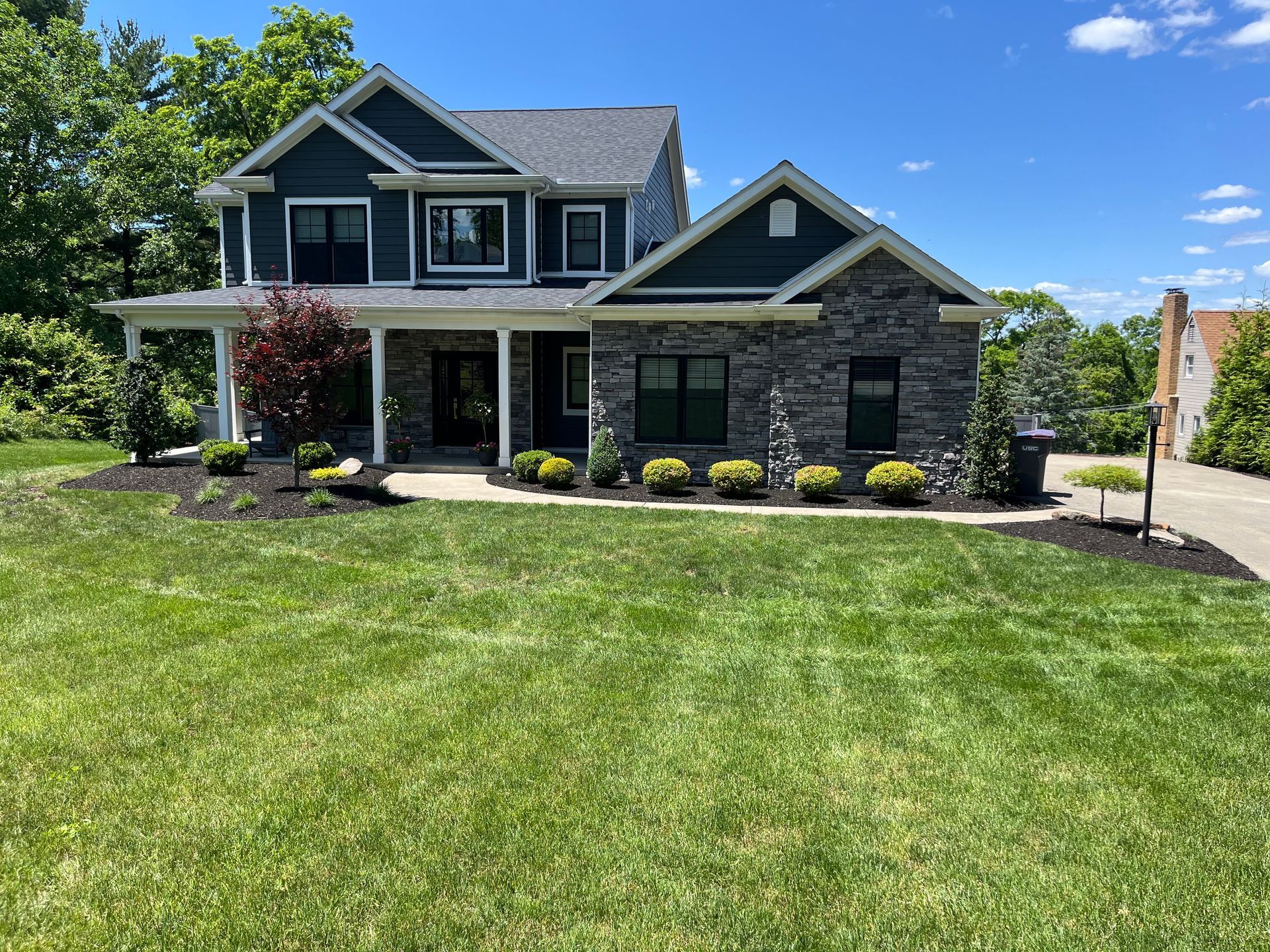
Landscaping changes throughout its first year as plants establish roots, soil settles, and different growing seasons affect the property's appearance. After a full year, homeowners can begin identifying which areas are performing well and which may need attention.
Check Plant Health and Growth
Start by reviewing the condition of trees, shrubs, garden beds, and other installed plants.
Healthy growth varies by species, planting conditions, and seasonal timing. Some plants establish more slowly than others, so limited growth in the first year doesn't necessarily indicate a problem.
However, certain conditions deserve closer attention:
- Branches that remain dead during the normal growing season
- Repeated wilting despite appropriate watering
- Yellowing leaves or declining growth that seasonal changes cannot explain
- Exposed roots or noticeable soil erosion around plantings
- Plants that continue to struggle in a particular location
These symptoms can be associated with watering problems, soil conditions, drainage, planting depth, pests, or environmental stress.
Before replacing a plant, determine what may be contributing to its decline. Installing another plant in the same location without addressing the underlying issue can lead to the same results.
Look for Soil Settlement and Mulch Movement
Soil settlement can occur after landscaping installation, especially where soil was disturbed or added. Walk through landscaped sections and look for depressions, exposed roots, areas where mulch repeatedly washes away, or soil collecting in unintended locations.
Routine maintenance can address minor changes. Repeated erosion or significant settlement, however, may indicate that water movement or grading needs further attention.
Identifying Drainage Problems After a Full Year
Drainage is one of the most important elements to evaluate because water movement can affect multiple parts of an outdoor project. A drainage system should manage runoff and help move excess water away from areas where it could cause damage. After a year of rainfall and snowmelt, homeowners can see how their property handles different weather conditions.
Signs Your Drainage May Not Be Working Properly
Watch for areas where water collects or travels unexpectedly. Warning signs include:
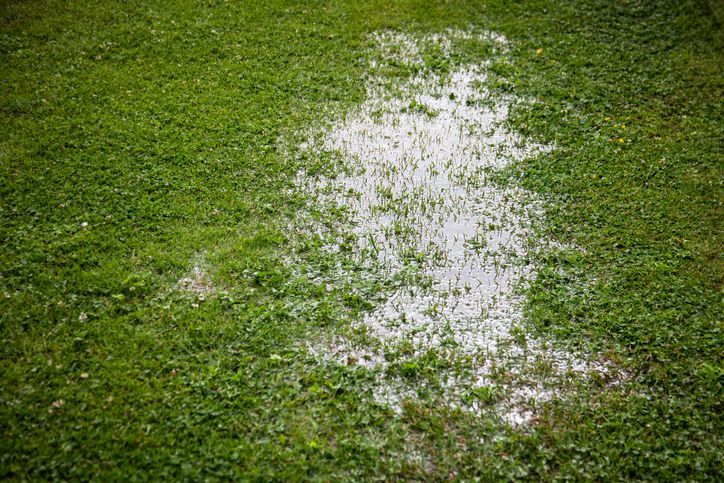
- Standing water that repeatedly remains well after rainfall
- Consistently soggy areas of the lawn
- Water collecting near foundations, patios, or walkways
- Soil washing out of landscape beds or around hardscaping
- New erosion channels forming on slopes
- Water flowing toward structures instead of away from them
Temporary puddles during heavy rainfall don't always indicate a drainage failure. Soil conditions, rainfall intensity, and how long water remains in place all matter. However, repeated pooling in the same area or noticeable erosion deserves investigation.
Should Drainage Problems Be Repaired or Redesigned?
The best solution depends on what is causing the water to collect. For example, a blocked outlet or a localized area of settled soil may be correctable without replacing an entire drainage system. More extensive problems, such as improper grading, insufficient drainage capacity, or water being directed to the wrong location, may require additional work.
Homeowners should avoid assuming that every wet area needs a new drain. Identifying the water source and how it moves across the property is an important first step.
Koenig's Landscaping & Construction provides drainage solutions for properties in the Pittsburgh South Hills and surrounding areas. A professional evaluation can help determine whether existing drainage needs maintenance, modification, or a different approach.
Checking Concrete Driveways, Patios, and Walkways for Wear
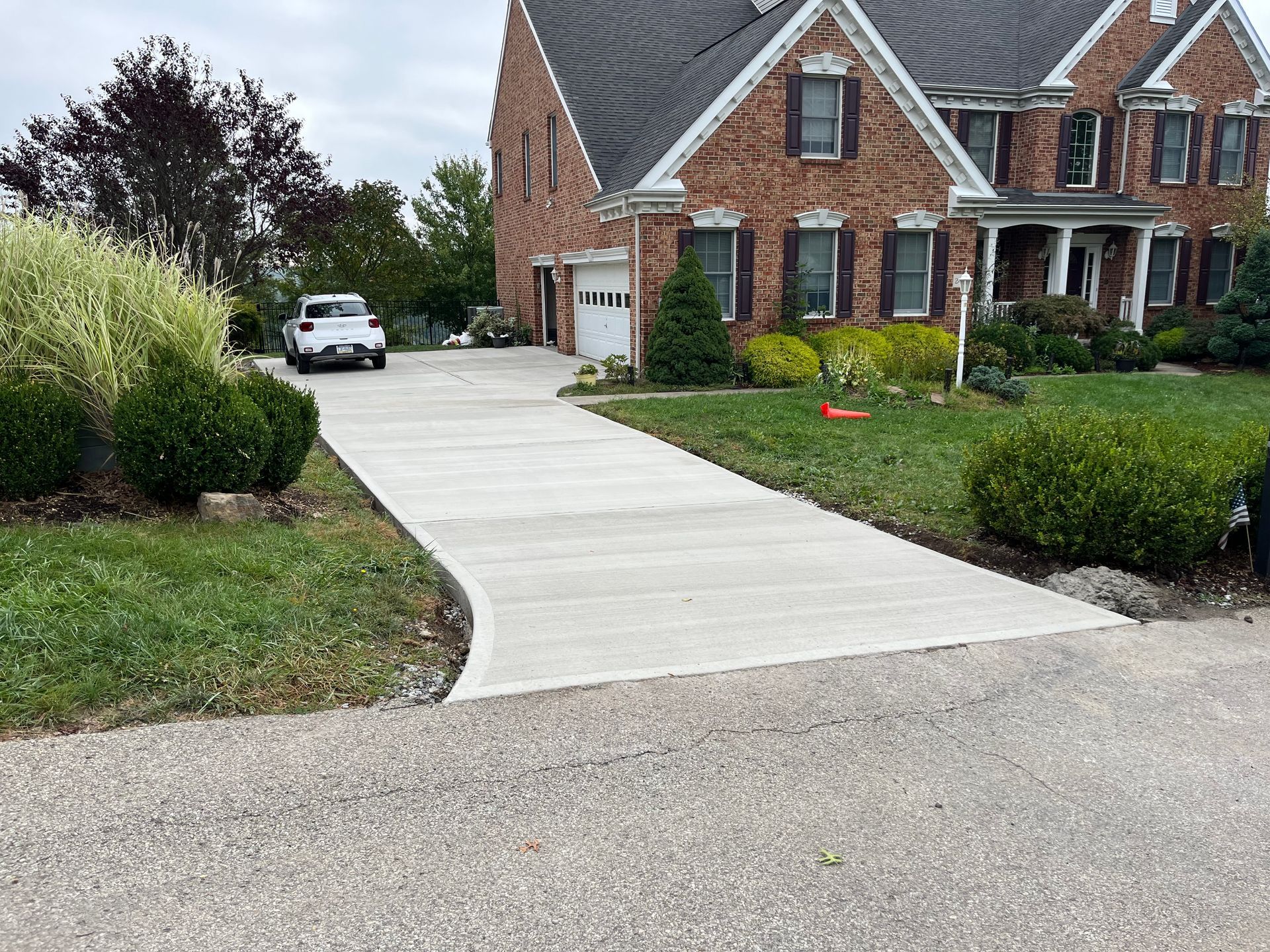
Concrete surfaces face vehicle traffic, foot traffic, moisture, temperature changes, and seasonal maintenance. After one year, inspect driveways, patios, steps, and walkways for visible changes. The goal is to distinguish ordinary surface changes from damage that could affect safety or long-term performance.
What Types of Concrete Wear Should You Watch For?
Some minor cosmetic changes don't necessarily affect concrete's function. However, homeowners should monitor:
- Cracks that appear to widen or extend over time
- Flaking, scaling, or peeling at the concrete surface
- Uneven sections that create tripping hazards
- Areas that have noticeably settled or lifted
- Water collecting in depressions or against adjoining structures
- Broken corners or deteriorating edges
Small cracks can have several causes, including shrinkage and temperature-related movement. A crack does not automatically mean the concrete needs replacement. However, cracks accompanied by displacement, recurring water infiltration, or continuing deterioration require closer examination.
How Pittsburgh Winters Affect Concrete Performance
Concrete in Western Pennsylvania repeatedly freezes and thaws during colder months.
Water can enter surface pores or existing cracks and expand when it freezes. Over time, these conditions can contribute to cracking and surface deterioration. Deicing products and snow removal practices can also affect concrete condition.
If your driveway or walkway has recently gone through its first winter, inspect it for scaling, cracking, and changes in surface condition.
For more maintenance guidance, read our article on protecting your concrete driveway from Pittsburgh winters.
When Does Concrete Need Repair Instead of Replacement?
Minor, stable cracks or limited surface damage may be repairable, depending on their cause and the concrete's overall condition.
Replacement may be more appropriate when sections have significant displacement, widespread deterioration, or substantial structural damage.
Before deciding, determine whether the damage is limited to the concrete itself or connected to settlement, water movement, or inadequate support beneath the surface.
Replacing concrete without fixing an ongoing drainage or subgrade problem may allow similar damage to recur.
Reviewing Patios, Walkways, and Retaining Walls
Outdoor construction features should remain stable, usable, and appropriate for the surrounding conditions.
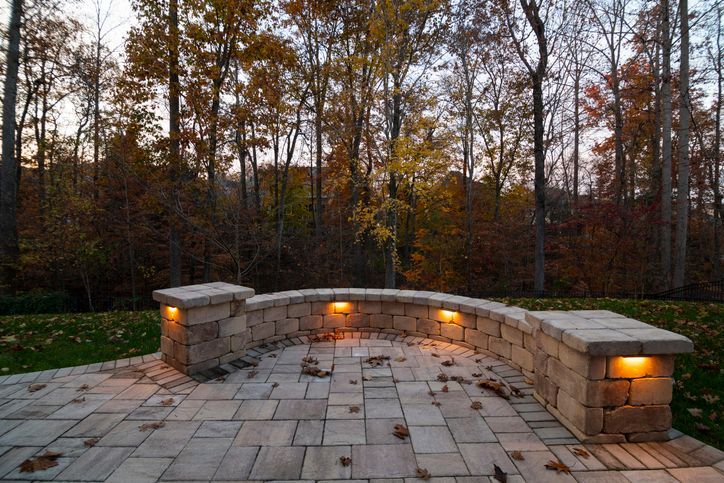
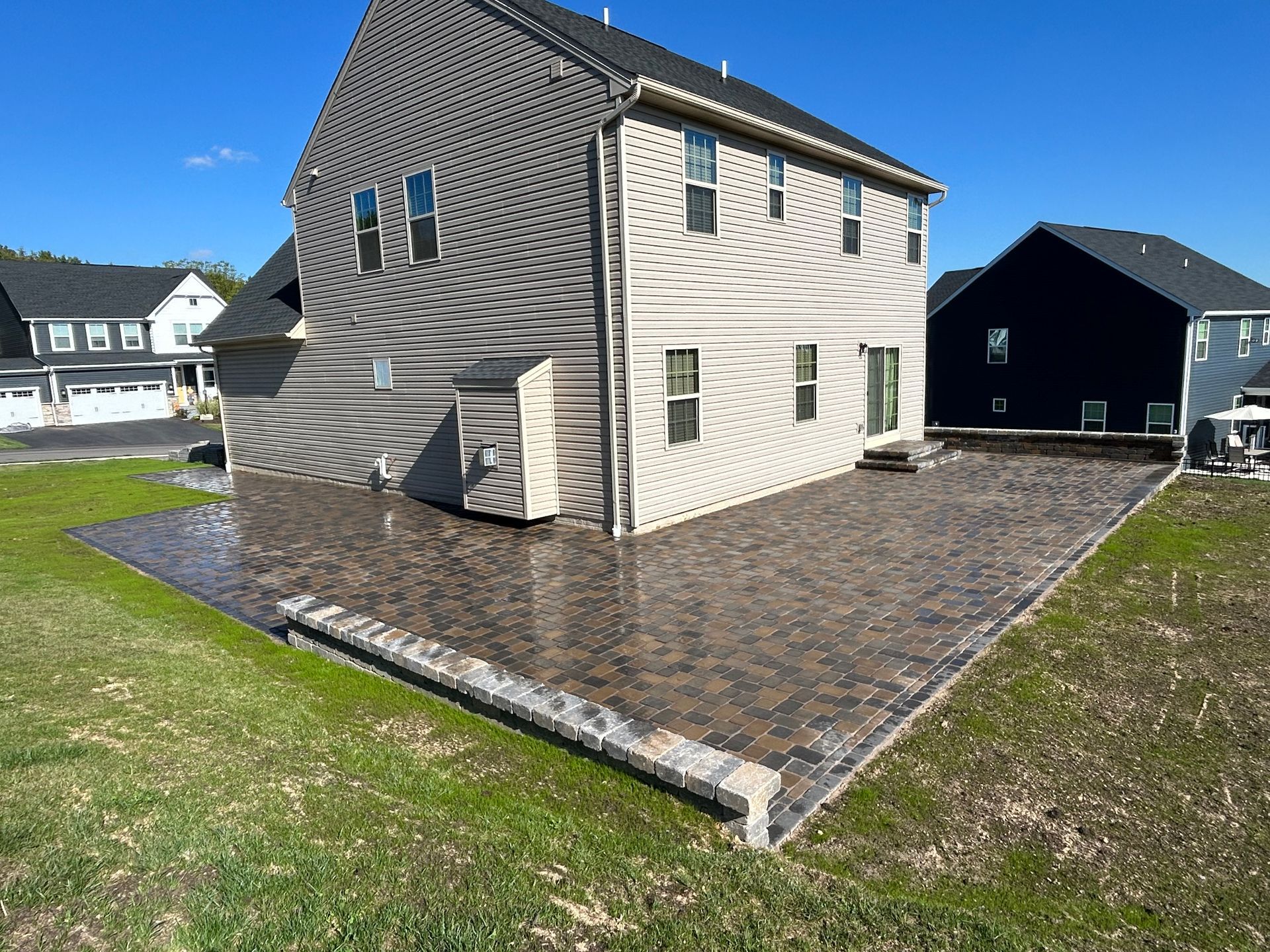
After a year of use, inspect patios, paver walkways, steps, retaining walls, and other hardscape elements for movement or wear. Look for uneven surfaces, loose pavers, separating joints, shifting edges, and areas where water collects.
You may correct some isolated concerns by resetting materials or addressing localized settlement. Repeated movement across a larger area may point to drainage or base preparation issues that require additional evaluation.
Retaining walls deserve particular attention. Visible leaning, bulging, widening cracks, or significant soil movement behind a wall may indicate a stability problem. Avoid placing additional loads near a wall showing these signs and arrange a qualified assessment before attempting repairs.
Is Your Outdoor Space Still Meeting Your Needs?
Not every improvement identified after one year involves damaged materials or an installation problem. Sometimes homeowners discover that a particular layout, landscape feature, or outdoor living area does not work as well as expected.
For example, a walkway may not follow the route people naturally use. A patio may need more usable space. A planting bed may require more maintenance than anticipated, or a section of the yard may remain difficult to access.
These are opportunities to consider functional improvements rather than repairs.
A full year of use provides practical information about how a property is used through different seasons. That experience can help homeowners make more informed decisions about future changes.
For properties that need broader design or layout adjustments, explore our comprehensive guide to full landscape overhauls for planning considerations and ways to approach larger outdoor improvements.
How to Decide What Needs Attention First
After inspecting your property, separate immediate concerns from routine maintenance and longer-term improvements. Safety concerns and active water damage should generally receive priority. These may include unstable steps, significant retaining wall movement, erosion near structures, or drainage problems affecting a foundation.
Next, consider issues that could worsen if left unaddressed, such as developing concrete cracks, localized soil washout, or deteriorating hardscape joints. You can usually evaluate cosmetic concerns and optional design updates separately, allowing homeowners to plan work around their priorities and budget.
If you are unsure whether a condition is normal, document it with photographs and note whether it changes after rainfall, freezing temperatures, or regular use. This information can be helpful when discussing the issue with a landscaping or construction professional.
When Should You Schedule a Professional Outdoor Project Evaluation?
Consider a professional assessment when a problem keeps returning, seems to be getting worse, poses a safety concern, or involves multiple connected parts of the property.
For example, a settling walkway and nearby drainage problem may be related. Evaluating each issue separately without considering the surrounding conditions could overlook the cause.
A professional can review visible conditions, discuss possible causes, and help determine whether to consider maintenance, repairs, or additional construction. If an installation warranty still covers a project, review its terms and contact the original installer before authorizing corrective work.
Plan Your Next Outdoor Improvements With Koenig's Landscaping & Construction
Evaluating outdoor improvements after a year of use helps homeowners understand what works and where it may need attention.
Not every crack, low spot, or struggling plant calls for replacement. In many cases, proper maintenance or a targeted repair is enough. Other conditions may require drainage, grading, or structural corrections before you make additional improvements.
Koenig's Landscaping & Construction serves the Pittsburgh South Hills and greater Pittsburgh area with landscape design and installation, concrete work, drainage solutions, hardscaping, and related outdoor construction services.
If you have noticed drainage concerns, concrete deterioration, landscape problems, or opportunities to improve how your outdoor space functions, contact Koenig's Landscaping & Construction to discuss your property and potential next steps.