What to Expect During a Professional Landscaping Installation Process
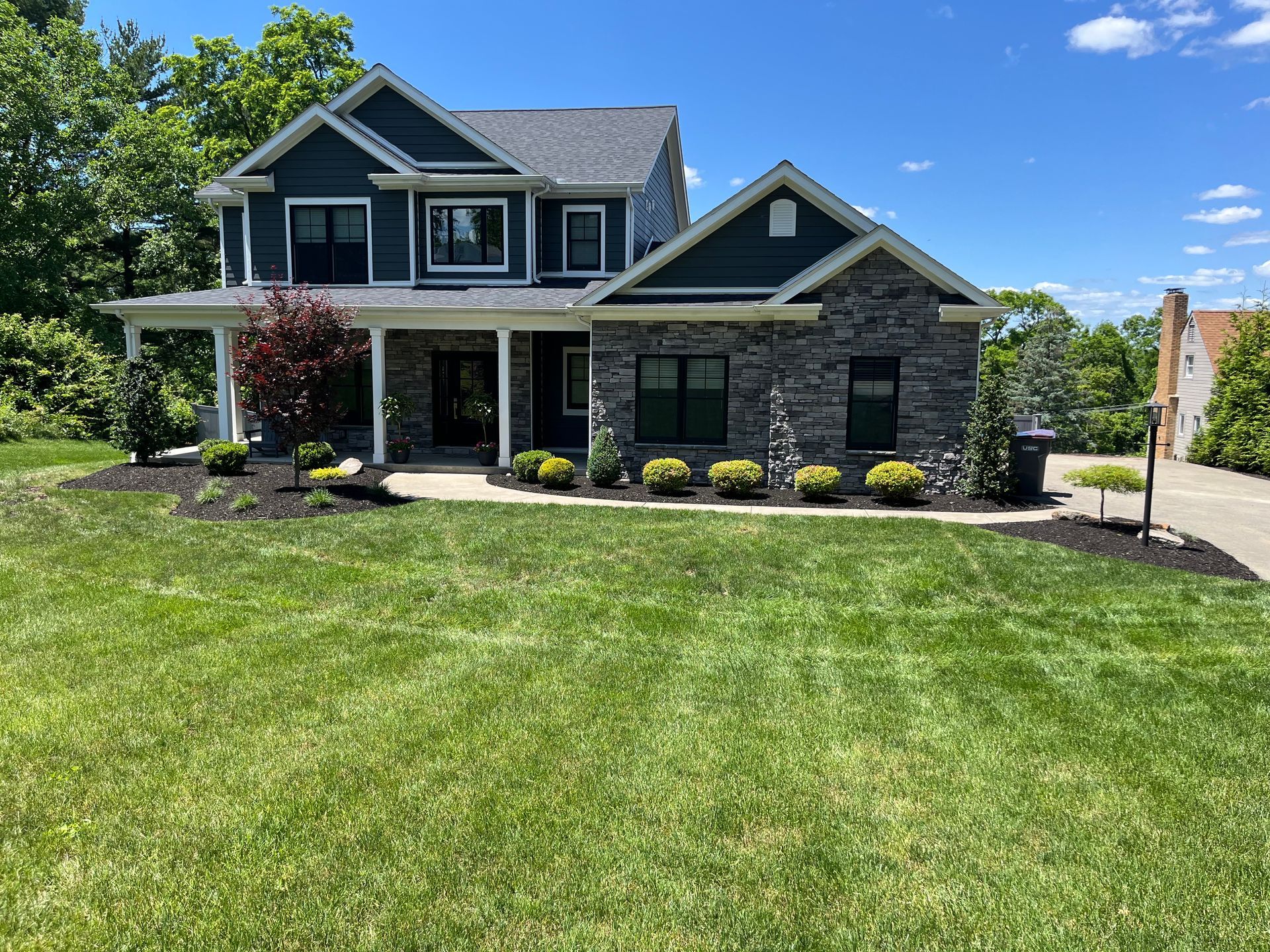
Many homeowners start a landscaping project with a clear vision of what they want their outdoor space to look like, but they may not know what that process actually entails.
Questions about timing, communication, and day-to-day expectations are common, especially for larger projects that involve hardscaping, grading, or full yard transformations.
A structured landscaping installation process helps remove that uncertainty. When you know what to expect at each stage, it becomes easier to plan your time, prepare your property, and stay involved without feeling overwhelmed.
Koenig’s Landscaping LLC follows a clear, step-by-step process designed to keep projects organized while maintaining consistent communication. Understanding this process can help you feel more confident from the first consultation through the final walkthrough.
Why Understanding the Landscaping Installation Process Matters
A landscaping project is more than just the installation itself. It involves planning, coordination, and preparation before any visible work begins. Without a clear understanding of how the process works, it is easy to feel unsure about timelines or what is happening behind the scenes.
When homeowners understand each phase, they are better able to:
- Plan around project timelines and on-site activity
- Prepare their property for construction
- Make informed decisions when questions come up
- Avoid miscommunication or unexpected delays
This becomes especially important for larger projects, such as when to consider a full landscape tear-out, where multiple elements of the yard are being removed and replaced. These projects require more coordination, and knowing what comes next helps everything move forward more smoothly.
Step-by-Step Landscaping Installation Process
Koenig’s Landscaping LLC uses a 7-step process to guide projects from start to finish. Each step serves a specific purpose and helps ensure that both the homeowner and the installation team stay aligned throughout the project.
Step 1: Discovery
The discovery phase is the starting point for every project. This is where the focus is on understanding your property, your goals, and how you want to use your outdoor space.
During this initial consultation, you will typically discuss:
- How you currently use your yard, and what is not working
- Features you are considering, such as patios, walkways, or retaining walls
- General layout ideas and design preferences
- Any concerns related to drainage, grading, or usability
This phase is not about final decisions. Instead, it is about gathering information and exploring possibilities. It also gives you a clear sense of how the team communicates and manages projects, which is an important part of the overall experience.
Step 2: Proposal
After the discovery phase, the project begins to take shape through a formal proposal. This step outlines the scope of work and provides a clear explanation of how your project will move forward.
During this stage, homeowners can expect:
- A breakdown of project details and scope
- Budget considerations based on selected features and materials
- A review process where questions and adjustments can be addressed
- Approval of the proposal, along with the deposit and scheduling
This is one of the most important points in the process because it sets expectations for both sides. Taking time to review the proposal carefully helps ensure everyone is aligned before work begins.
Step 3: Behind the Scenes
One of the most overlooked parts of a landscaping project is the work done before installation begins. After the proposal is approved, there is often a gap where no physical work is visible on-site.
During this time, the team is handling essential preparation tasks such as:
- Coordinating internally to review project details
- Ordering materials required for installation
- Securing permits if the project requires them
- Finalizing schedules and providing updates
While this stage may feel quiet from a homeowner’s perspective, it plays a major role in keeping the installation phase organized. Proper planning at this stage helps reduce interruptions and keeps the project moving efficiently once work begins.
Step 4: Pre-Walk-Through
Before installation starts, a pre-walk-through is conducted on-site. This ensures that everyone involved in your landscaping project has a clear understanding of the plan before any work begins.
During this meeting, you can expect:
- A review of the work order with the crew leadership
- Confirmation of layout details, including placement of key features
- Discussion of how the jobsite will be organized
- A general overview of the timeline for installation
This step is important because it allows for final clarification. If there are any questions about layout or logistics, they can be addressed before construction begins, which helps prevent confusion later.
Step 5: Installation
The installation phase is when the project becomes visible. This is the most active part of the landscaping installation process, and it often involves multiple types of work happening in a coordinated sequence.
Throughout installation, homeowners can expect:
- Regular updates from the crew lead
- A jobsite that is kept organized and maintained
- Opportunities to ask questions or provide input
- Ongoing progress documentation through photos
Depending on the scope of the project, this phase may include:
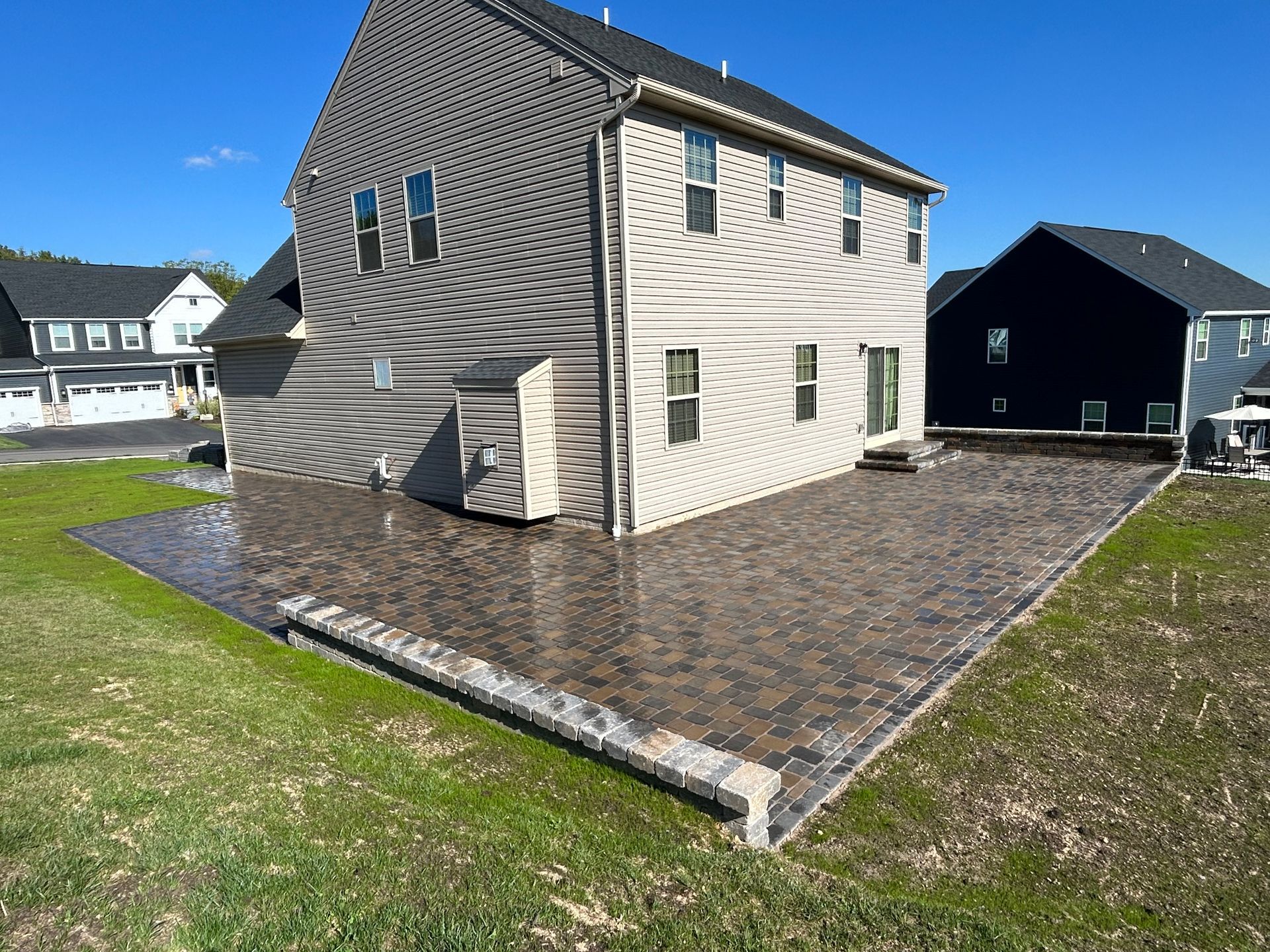
- Hardscaping, such as patios, walkways, and retaining walls
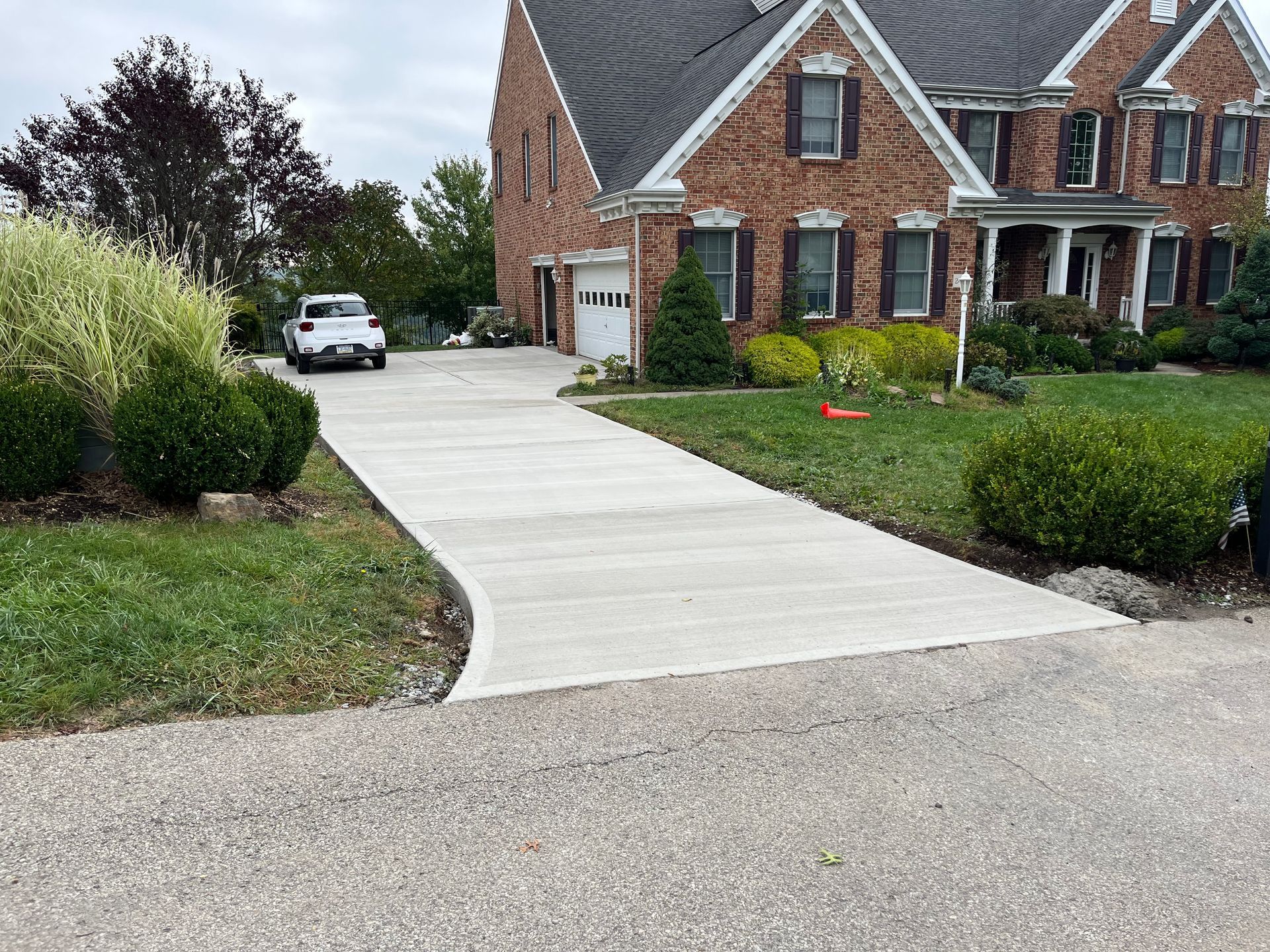
- Concrete installations and finishing work
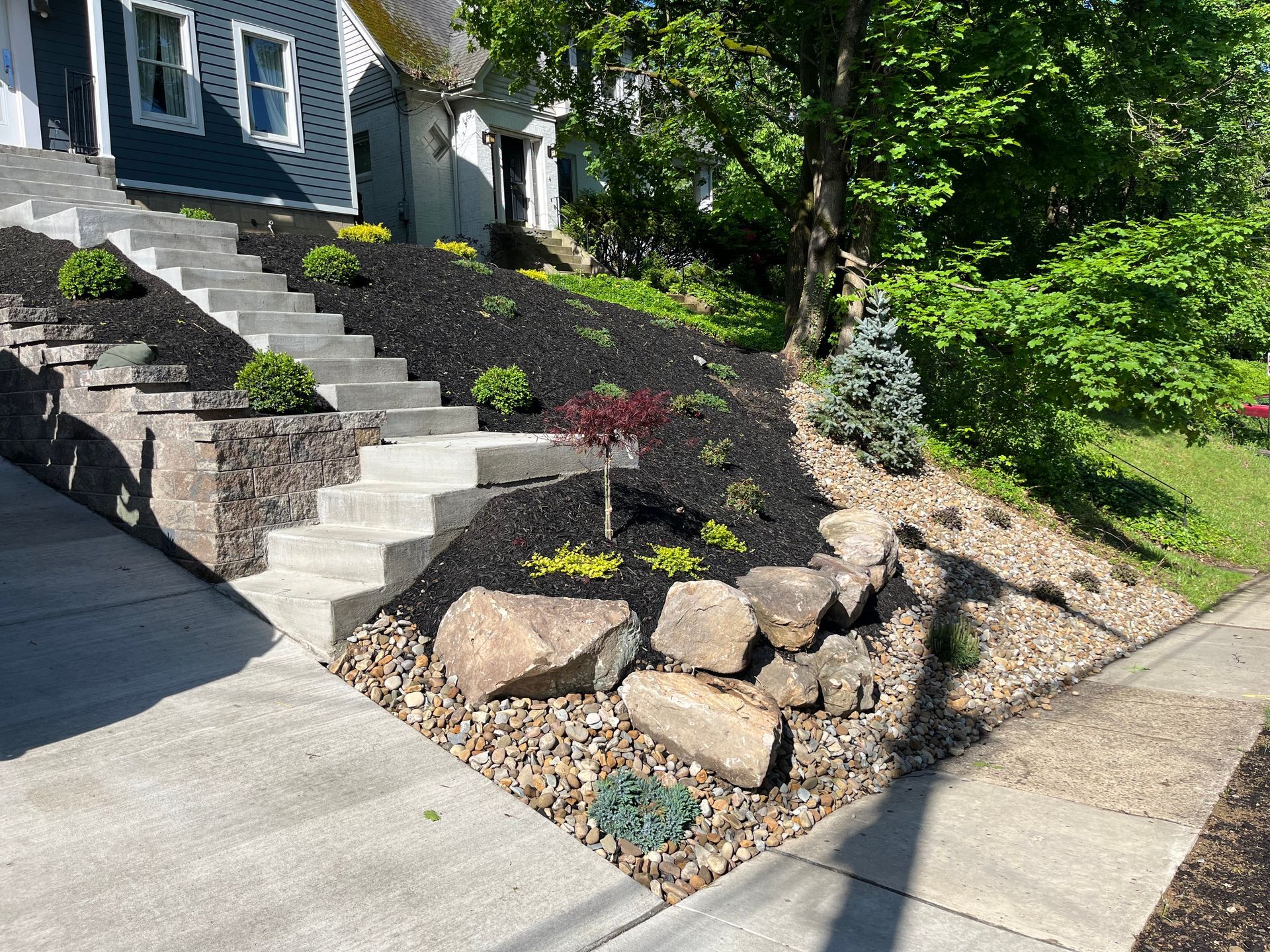
- Grading to improve drainage and surface leveling
- Planting and landscape enhancements
For homeowners planning outdoor living spaces, reviewing tips for patios and landscaping ahead of time can provide additional context for how these elements come together during installation.
It is also important to understand that installation happens in stages.
Certain areas of the yard may look incomplete at different points, which is a normal part of the process as components are built and integrated.
Step 6: Final Walk Through
Once installation is complete, the project moves into the final walkthrough phase. This step focuses on reviewing the finished work and ensuring everything aligns with the original plan.
During the final walkthrough, you will:
- Walk through the finished project with our team
- Ask any remaining questions about the work
- Confirm that everything has been completed as expected
- Finalize the payment process
This is also a good time to get guidance on caring for new installations, especially plantings or features that may require ongoing attention.
Step 7: Continued Contact
A professional landscaping project does not end with installation. Continued communication helps support the long-term success of your outdoor space.
After the project is complete, this phase may include:
- Sharing feedback about your experience
- Discussing potential future projects or upgrades
- Exploring maintenance needs, if applicable
- Providing referrals if you are satisfied with the results
Maintaining this connection ensures your landscape continues to perform well and provides you with a point of contact for future needs.
What Impacts Timeline and Scheduling
While the process itself is structured, timelines can vary depending on several factors. Understanding these factors can help you set realistic expectations before your project begins.
Project Size and Complexity
Larger projects with multiple features require more coordination and time. A full yard transformation will naturally take longer than a smaller installation.
Weather Conditions
In Western Pennsylvania, the weather can affect scheduling. Rain and temperature changes may slow progress or require adjustments to the timeline.
Material Availability
Some materials may need to be ordered in advance. Delays in availability can impact when certain parts of the project begin.
Site Conditions
Properties with grading challenges, drainage concerns, or limited access may require additional preparation, which can extend the timeline.
How Homeowners Can Prepare for Installation
While the contractor manages the project, homeowners can take a few practical steps to help the process run smoothly.
Clear Access Areas
Ensure that driveways, walkways, and work zones are accessible for crews and equipment.
Plan for Noise and Activity
Construction involves equipment and movement throughout the property. Planning ahead can help reduce stress.
Stay Available for Communication
Responding to updates or questions helps keep the project moving without unnecessary delays.
Understand Temporary Disruption
Your yard may go through phases where it looks unfinished. This is a normal part of the installation process.
The Value of a Structured Installation Process
A clearly defined landscaping or hardscaping installation process provides consistency and clarity for both the homeowner and the contractor.
Key benefits include:
- Better organization from the first consultation through project completion
- Clear communication at each stage of the process
- More efficient coordination of materials and labor
- A smoother overall experience with fewer unexpected issues
When each phase is planned and communicated, it helps create a more predictable and manageable project from start to finish.
Professional Landscaping Design and Installation Services in Pittsburgh
Our professional landscaping installation process is designed to guide your landscaping project from concept to completion in a structured and organized way. By understanding each step, you can approach your project with clearer expectations and greater confidence.
Ready to start your landscaping project with a clear plan in place?
Koenig’s Landscaping LLC provides full landscape design and installation, hardscaping, and concrete services throughout Pittsburgh and the surrounding areas. Request an estimate to get started.