When Summer Is the Right Time to Start Planning Fall Hardscape Projects
Many homeowners assume fall is the time to start thinking about a new patio, retaining wall, walkway, or outdoor living space. While fall can be an effective season for construction, waiting until cooler weather arrives to contact a contractor may limit your options.
Successful fall projects often begin several weeks or months before installation. Consultations, property measurements, design discussions, material selection, budgeting, scheduling, and permitting can all take time. By starting during the summer, homeowners can make informed decisions without rushing the process.
Early planning can also help Pittsburgh South Hills homeowners secure a preferred place on a contractor’s fall schedule. It gives the contractor time to evaluate the property, identify potential challenges, order materials, and prepare before shorter days and colder temperatures arrive.
If you are considering an outdoor improvement, summer may be the right time to speak with a hardscape contractor.
Why Fall Is a Good Season for Hardscape Construction
Fall can provide favorable conditions for many outdoor construction projects. Temperatures are usually cooler than they are during midsummer, which can make the construction period more comfortable for crews and homeowners.
Cooler conditions may also place less stress on nearby lawns, plants, and landscaping. Any construction project can temporarily disturb the surrounding property, but completing work after the hottest part of summer may make restoration easier.
Another benefit is preparation. A fall project can improve your outdoor space before winter and have it ready for the following spring. Instead of beginning the next outdoor season with a cracked patio, uneven walkway, or aging retaining wall, homeowners may be able to complete the work before snow arrives.
Common fall hardscape projects include:
- Patios
- Walkways
- Retaining walls
- Fire pit areas
- Seating walls
- Steps and entrances
- Outdoor gathering spaces
Completing a project in the fall may also allow homeowners to use the finished space during mild autumn weather. A patio or fire pit area can support family gatherings, outdoor meals, and seasonal entertaining.
The right timing will depend on the project, material availability, property conditions, and weather. A professional evaluation can help determine whether a proposed project fits within the available construction window.
Why Summer Is the Best Time to Begin Planning
Hardscape construction begins long before the first paver is installed. Several planning steps usually need to take place before work can start.
These steps may include:
- An initial consultation
- A property evaluation
- Site measurements
- Design discussions
- Material selection
- Drainage planning
- Budget development
- Design revisions
- Scheduling
- Permitting, when applicable
- Material ordering
The amount of planning depends on the project. A simple walkway may require fewer decisions than an outdoor living space with a patio, seating wall, fire feature, lighting, and landscaping.
Starting during the summer allows the process to move at a reasonable pace. Homeowners can compare materials, ask questions, review layouts, and decide which features are most important.
This additional time is especially helpful when an existing structure must be removed. Homeowners who are unsure whether replacement requires complete removal can read Full Tear-Outs Explained: When to Consider and What to Expect.
Quality hardscaping involves more than appearance. The design must also account for grading, drainage, base preparation, soil conditions, access, and how the new structure will interact with the property.
Beginning early gives the contractor time to evaluate these details before construction.
Contractor Schedules Can Fill Quickly
Late summer and early fall are often active periods for hardscape contractors. Many homeowners want projects completed before winter, which can increase demand for available construction dates.
A contractor’s schedule is also affected by crew availability, existing projects, weather, and material delivery times. Even a relatively straightforward project may not fit into a homeowner’s preferred week if planning begins too late.
Starting early does not mean making an immediate commitment. It simply provides more flexibility.
An early consultation may make it easier to:
- Compare possible construction dates
- Allow time for design changes
- Review more material options
- Coordinate other property improvements
- Plan around travel or family events
- Account for ordering timelines
Material availability can be important. Some paver styles, retaining wall systems, colors, and finishes may require additional lead time. Waiting until construction is expected to begin may reduce the available selection or delay installation.
A reputable contractor should provide realistic information about timing without creating false urgency. However, contacting a contractor during the summer generally gives homeowners more options than waiting until late fall.
More Time Supports Better Design Decisions
Hardscape features become long-term parts of a property. Rushing through the design process can lead you to make choices that do not fully support how the homeowner plans to use the space.
Summer planning provides time to consider both function and appearance.
Choosing Materials
Pavers, natural stone, and concrete each offer different appearances, maintenance needs, and installation requirements. Homeowners may want to compare colors, textures, patterns, and costs before making a decision.
The material should also coordinate with the home. Brick, siding, roofing, stonework, and existing landscaping can influence which finishes fit the property.
Addressing Drainage
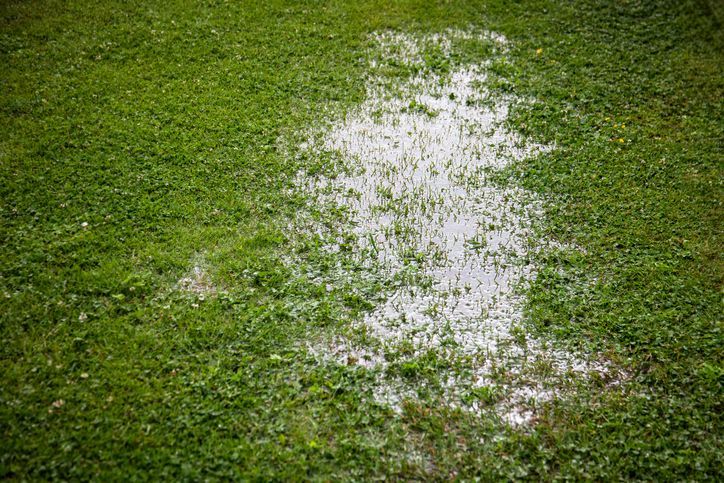
Drainage should be considered before construction begins. A design may need to manage roof runoff, surface water, downspout discharge, grading, or water moving from an uphill area.
These issues can be especially important on sloped or irregular properties. Homeowners with a difficult lot can learn more in Mastering Hardscape Solutions for Challenging Landscapes.
Planning Lighting and Safety
Lighting can improve the use of patios, walkways, steps, and entrances after dark. Planning for it before construction may make it easier to integrate fixtures into steps, walls, or nearby landscaping.
Walkway width, changes in elevation, surface transitions, step placement, and access routes should also be evaluated during design.
Adding Seating and Fire Features
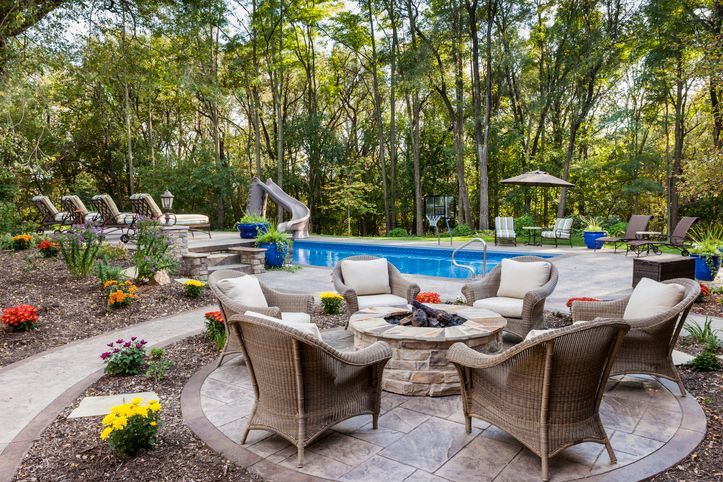
Built-in seating walls and fire features can help define an outdoor gathering area. Their placement should allow enough room for furniture, movement, and comfortable use.
Homeowners should consider how many people typically use the space and how guests will move between the house, yard, and patio.
Preparing for Future Landscaping
A patio or walkway should work with current and future landscaping. Leaving space for planting beds, trees, shrubs, or lawn areas can help the finished project feel connected to the rest of the property.
Summer Planning Can Help Manage Weather Delays
Outdoor construction is weather-dependent. Rain, saturated ground, early freezes, and cold temperatures can affect excavation, base preparation, material installation, and scheduling.
Potential fall challenges include:
- Heavy rain
- Wet soil
- Shorter daylight hours
- Unexpected cold temperatures
- Early freezing conditions
- Delayed material deliveries
Planning early gives the contractor more opportunities to schedule work during appropriate conditions. It also creates time for adjustments if weather delays an earlier project.
No contractor can guarantee that weather will not affect outdoor construction. However, beginning during the summer can provide a wider scheduling window than waiting until late fall.
Early planning also gives homeowners time to complete related work. Drainage corrections, utility coordination, tree removal, or repairs to nearby structures may need to occur before hardscape installation.
Hardscape Projects Suited for Fall Installation
Several outdoor improvements may be appropriate for fall construction, depending on the property and weather.
Patios
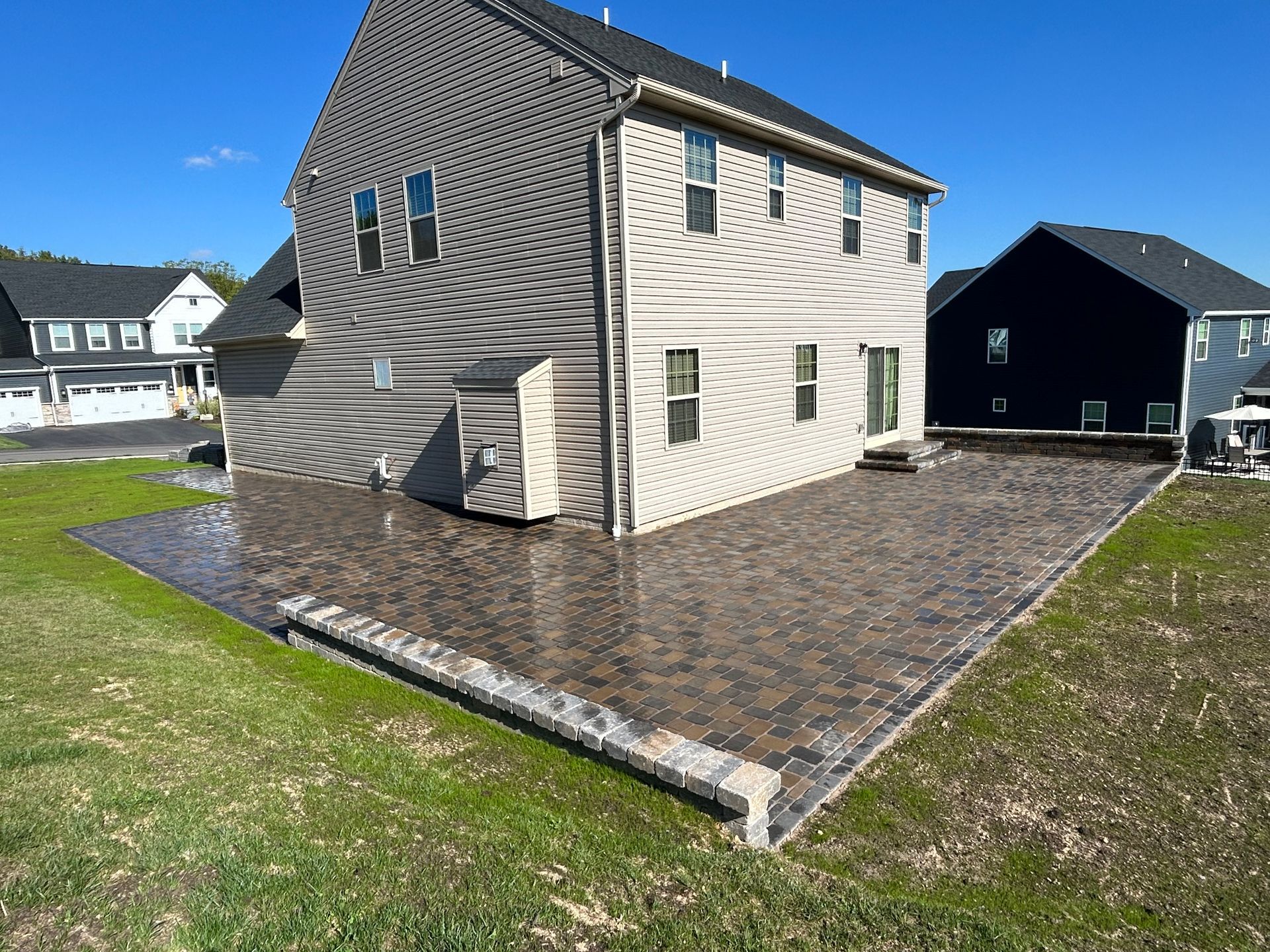
A patio can create a defined space for dining, seating, and family activities. Homeowners may replace an aging patio, expand an existing area, or create a layout that better fits the yard.
Planning should consider patio size, furniture placement, access from the house, grilling areas, drainage, sun exposure, lighting, and future landscaping.
Completing the patio before winter can also have it ready for use when spring arrives.
Retaining Walls
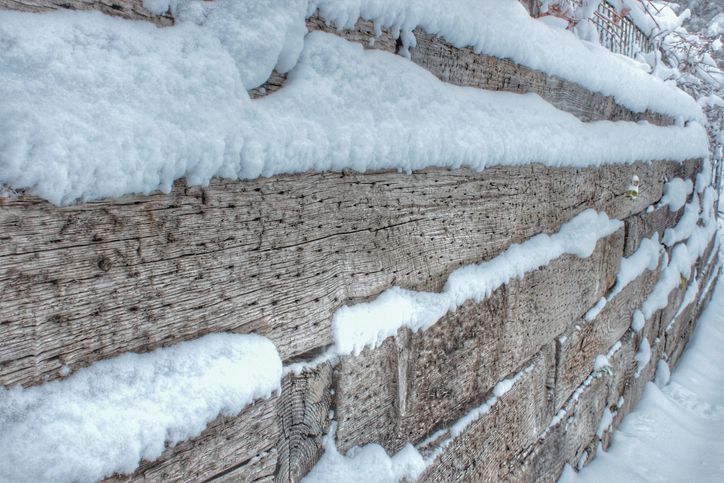
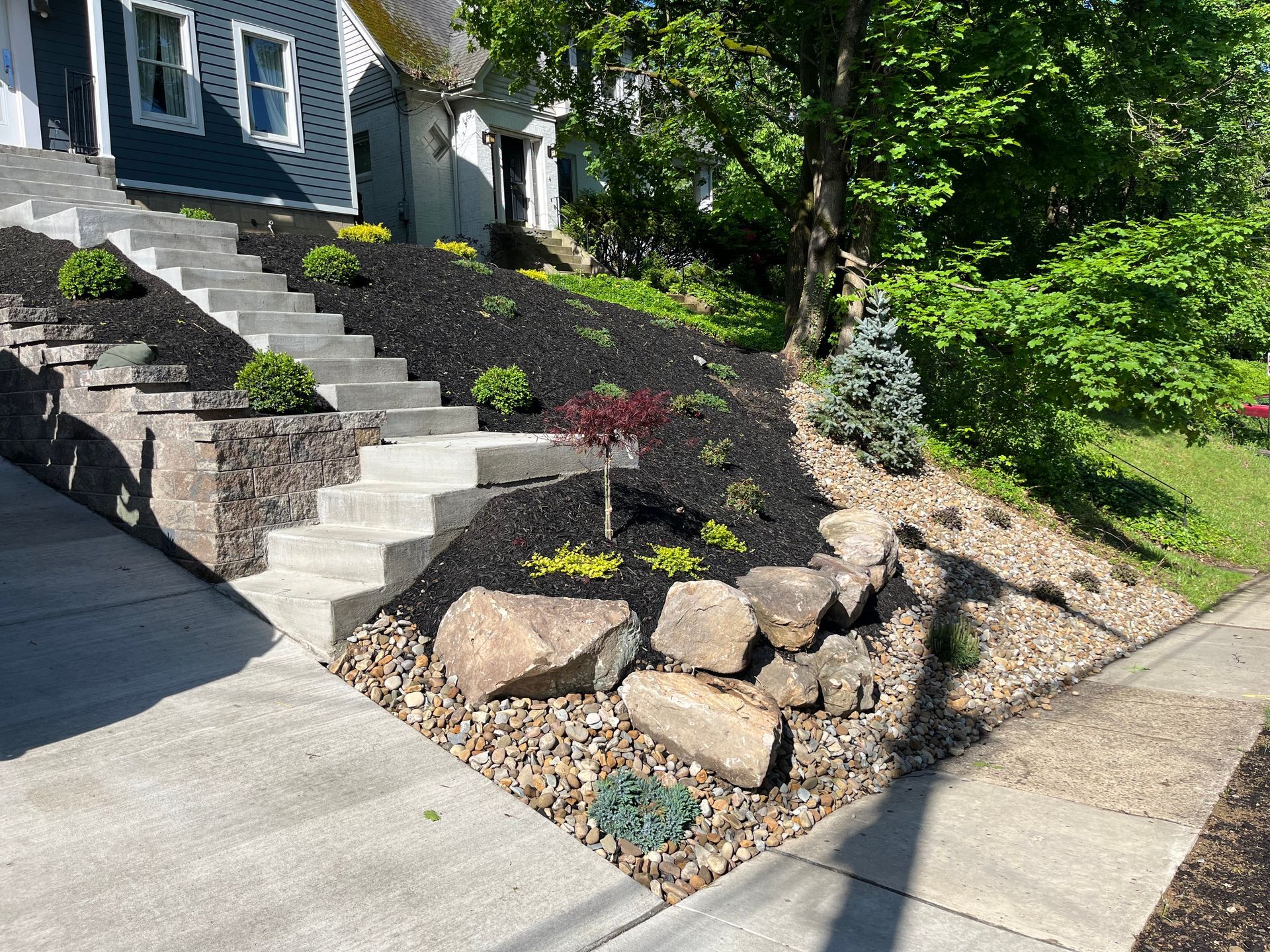
Retaining walls may help manage elevation changes, support slopes, define landscape beds, or create more usable yard space.
Fall may be a practical time to address a wall that is leaning, cracking, separating, or no longer managing the surrounding soil effectively.
Retaining wall planning should account for drainage, soil pressure, wall height, materials, and site conditions. Depending on the project, permitting or engineering may also be required.
Walkways
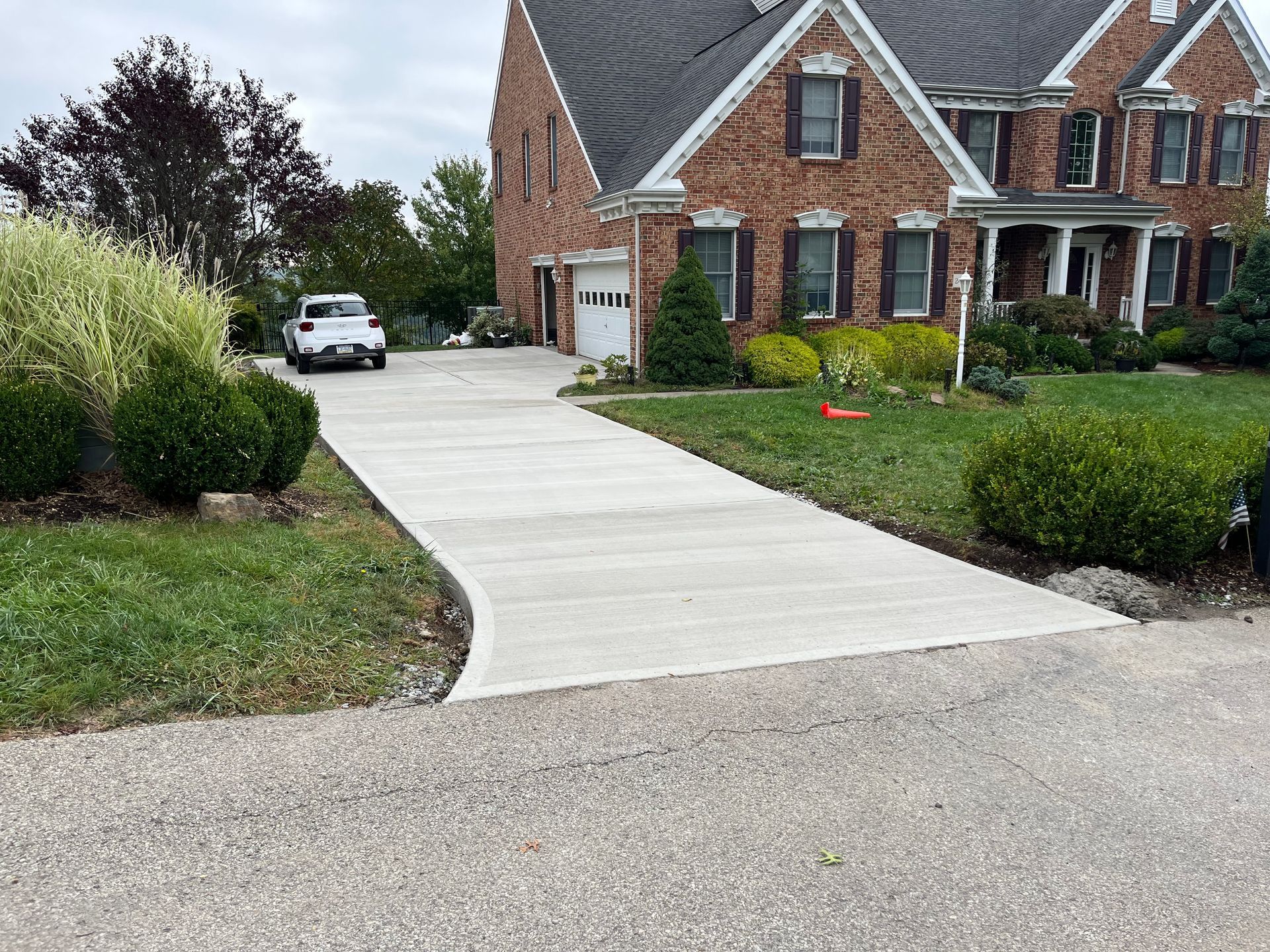
A new walkway can improve access between a driveway, entrance, patio, yard, or other outdoor area. Replacing a cracked or uneven walkway before winter may also improve navigation during snow and ice.
The design should account for width, slope, drainage, lighting, step placement, and connections to other surfaces.
Outdoor Living Spaces
Outdoor living spaces may combine patios, fire pits, seating walls, walkways, lighting, and planting areas.
Because these projects include several components, they often require more planning. Homeowners should decide whether the space will be used primarily for meals, quiet seating, entertaining, or family gatherings.
Starting early allows the layout to reflect how the household will actually use the area.
Steps and Entrances
Steps and entrances are part of everyday access to the home. Aging or uneven steps may become more difficult to use during winter.
Planning a fall replacement may help address these areas before snow arrives. The project may need to consider landing space, handrails, lighting, drainage, walkway connections, and local requirements.
Review Permitting and Property Requirements Early
Not every project requires a permit, but requirements can vary by municipality, project type, wall height, location, and scope.
Pittsburgh South Hills homeowners may live in different boroughs or townships, each with its own standards. Questions may involve:
- Property setbacks
- Retaining wall height
- Stormwater management
- Easements
- Utility locations
- Homeowners association rules
- Engineering requirements
These issues should be reviewed before construction. Beginning during the summer provides time to identify applicable requirements and obtain approvals when needed.
Do Not Wait Until Fall to Start the Conversation
Planning during the summer does not require immediate construction. It gives homeowners time to understand the process, evaluate options, and select a schedule that works for their property.
An early conversation with a South Hills hardscaping contractor can help answer questions such as:
- Is the proposed project appropriate for the property?
- Does the existing hardscape need to be removed?
- Are there drainage or grading concerns?
- Which materials fit the home and budget?
- Is permitting or engineering required?
- How long might construction take?
- What scheduling options are available?
Fall can be a practical season for installing patios, retaining walls, walkways, steps, and outdoor living areas. However, projects that move smoothly into construction often begin with summer planning.
Frequently Asked Questions
Is fall a good time to install a patio?
Yes. Cooler temperatures may provide favorable working conditions, and completing the patio before winter can prepare it for spring. Timing still depends on weather, ground conditions, material availability, and the contractor’s schedule.
How far in advance should I schedule a hardscape project?
Begin planning several weeks or months before your preferred installation period. Starting in the summer often provides more scheduling flexibility for a fall project.
Can retaining walls be installed in the fall?
Retaining walls can often be installed during the fall if weather and ground conditions remain suitable. Planning should allow time to evaluate drainage, soil conditions, wall height, materials, and permitting requirements.
Will weather delay my project?
Weather can affect outdoor construction. Rain, saturated soil, cold temperatures, and freezing conditions may change the schedule. Starting early gives the contractor a larger window for planning around seasonal conditions.
Which projects should be completed before winter?
Patios, walkways, retaining walls, steps, entrances, fire pit areas, and outdoor gathering spaces may all be completed before winter when conditions allow.
Plan Your Fall Hardscape Project During the Summer
Fall can offer practical conditions for hardscape installation, but successful projects begin well before construction.
Planning during the summer gives homeowners more time to develop a design, compare materials, address drainage, review property requirements, and reserve a preferred construction period. It can also provide more flexibility if weather, permitting, or material delivery affects the schedule.
Whether you are considering a patio, retaining wall, walkway, entrance, fire pit area, or larger outdoor living space, Koenig Landscaping can help evaluate your property and prepare for fall installation.
Contact Koenig Landscaping to discuss your fall hardscape plans and learn what steps are needed to move the project forward.