Why Fall Is Ideal for Structural Landscaping Improvements in the South Hills
For homeowners in Pittsburgh's South Hills, fall is not only a time to clean up and prepare plants for colder weather. It's also a practical time to tackle larger property improvements involving grading, drainage, excavation, landscape removal, and site preparation.
So, when is the best time to complete major landscaping improvements in the South Hills?
No single season works for every project. The right timing depends on the work, property conditions, weather, and the contractor's schedule. For projects focused on structural changes and site preparation, however, fall can provide an opportunity to address underlying property issues before winter and prepare for additional improvements the following spring.
Why Fall Can Work Well for Larger Landscaping Projects
Major landscaping projects often involve more than planting shrubs or replacing mulch. A property may need existing landscape materials removed, slopes adjusted, drainage problems addressed, or sections of the yard prepared for a new layout.
Completing some of that work in fall can make sense because homeowners can focus on the property's underlying structure before planning the finishing details.
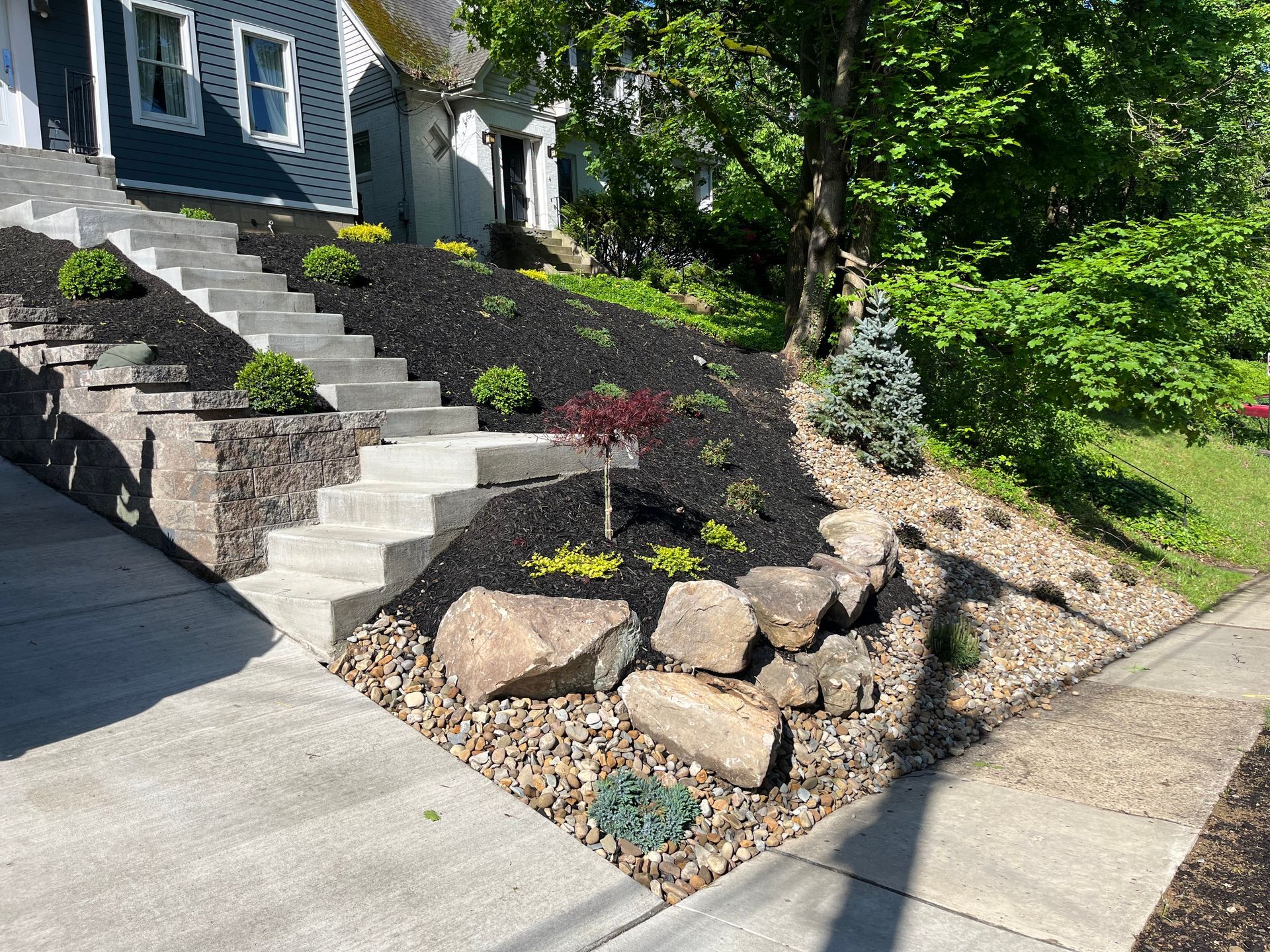
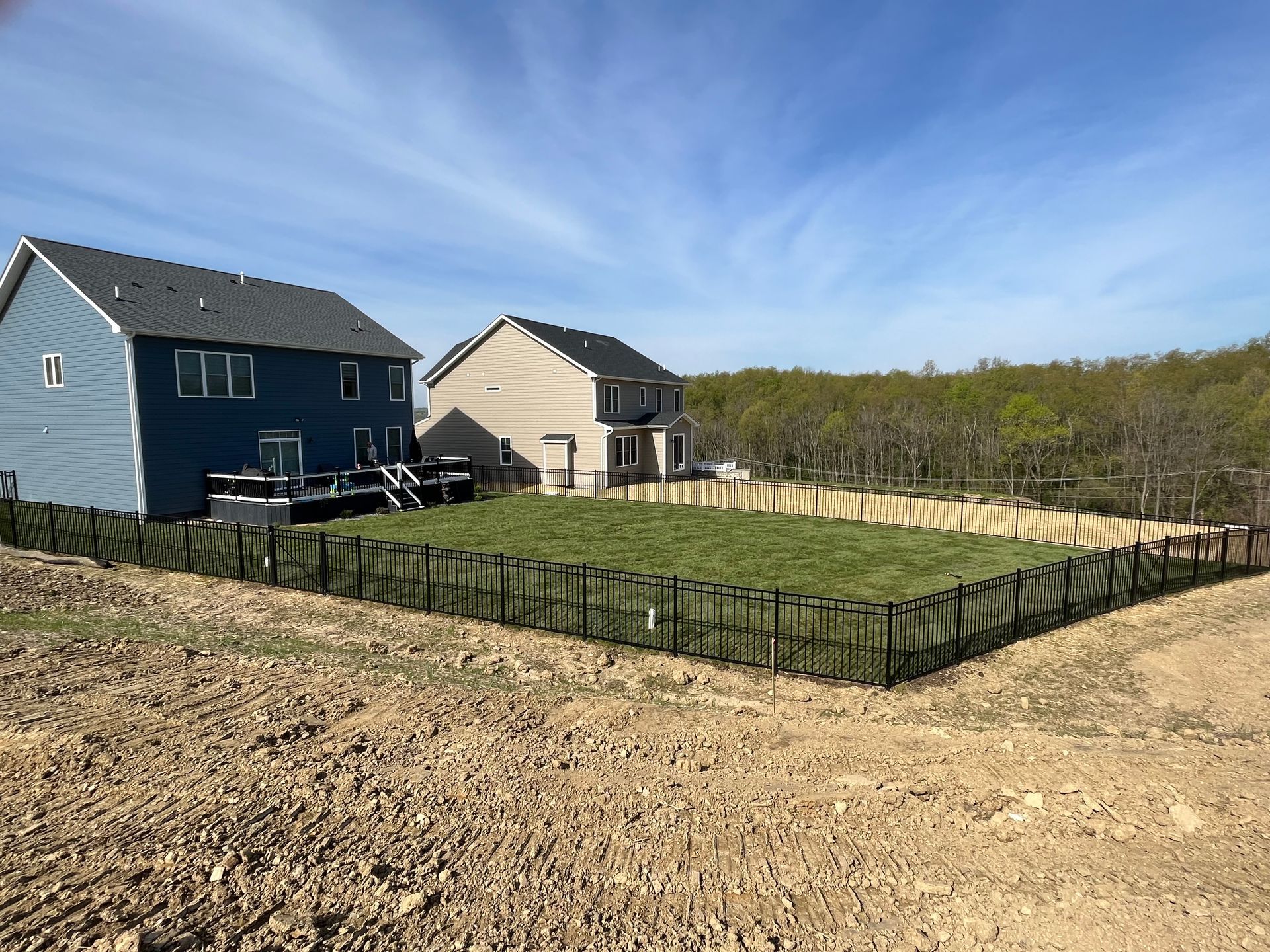
This is particularly relevant for projects involving excavation and grading. Koenig's Landscaping & Construction provides site preparation, grading, land clearing, dirt movement, hillside work, and related excavation services throughout the South Hills and greater Pittsburgh area.
Instead of approaching a larger landscape project as a single installation, homeowners can consider completing the work in stages. Structural and site-preparation work may come first, followed by planting, hardscaping, or other finishing work when conditions and the project schedule allow.
Start With Soil Conditions and Site Preparation
A successful landscape improvement begins with understanding the existing property.
Before adding new landscape features, homeowners should consider how the land is graded, where water moves after rain, whether low areas collect water, and whether existing materials need to be removed.
Site preparation can involve clearing unwanted vegetation and debris, excavating sections of the property, adjusting grades, and preparing areas for future construction or landscaping.
This is why the work below the finished landscape matters. Installing new plants or surface materials without first addressing an underlying grading or drainage issue can leave the original problem unresolved.
For homeowners considering a significant redesign, Koenig's guide to full landscape overhauls provides a broader look at site analysis, preparation, grading, drainage, hardscaping, and installation planning.
Address Grading and Drainage Before Winter When Conditions Allow
Drainage problems can affect how usable a yard is and how water moves around landscaping and other exterior improvements.
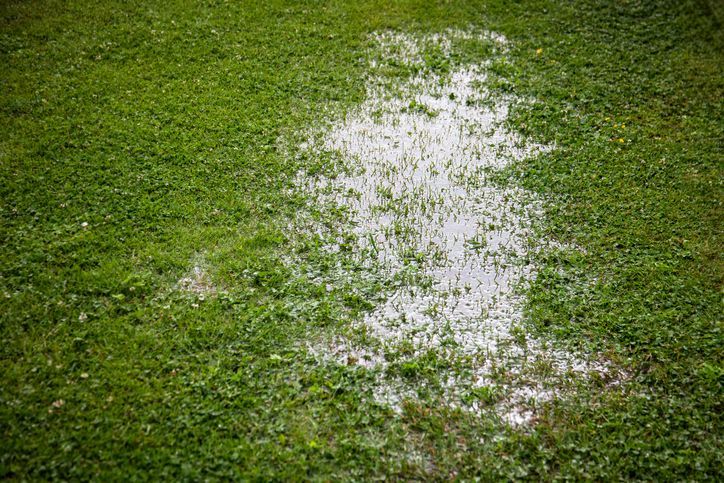
Low spots, uneven grades, runoff patterns, and persistently wet areas are issues worth evaluating as part of a larger landscape project. Depending on the property, correcting those conditions may require regrading or a dedicated drainage solution.
Fall gives homeowners a chance to identify these problems and decide whether to address them as part of the property's larger improvement plan.
The goal is not simply to get work completed before winter. It is to make sure future improvements begin with a properly prepared site.
Where drainage is a concern, the solution should be based on the specific property rather than assuming the same approach works everywhere. Koenig's Landscaping & Construction provides drainage services in the South Hills, including traditional French drains and HydroBlox systems, along with excavation and grading services for properties that require broader site work.
When Does a Full Landscape Tear-Out Make Sense?
Not every property needs a complete clear-out before improvements begin.
A targeted repair or partial update may be appropriate when much of the existing landscape still works well. A full tear-out becomes more relevant when the current landscape no longer fits the homeowner's plans or when several parts of the property need to be addressed together.
Removing existing landscape materials can also provide access for grading, drainage, excavation, and other prep work before installing a new design.
Homeowners considering this type of project can review Koenig's guide to full landscape tear-outs for more information about what the process can involve.
The important question is not whether every older landscape should be removed. It is whether keeping the existing layout would interfere with correcting the property's underlying issues or achieving the goals of the new design.
Fall Work Can Prepare a Property for Spring Installation
A major landscape transformation does not always need to happen all at once.
For some projects, fall can be used for demolition, excavation, grading, drainage work, or other site preparation. You can then schedule the next phase based on the project's needs and conditions.
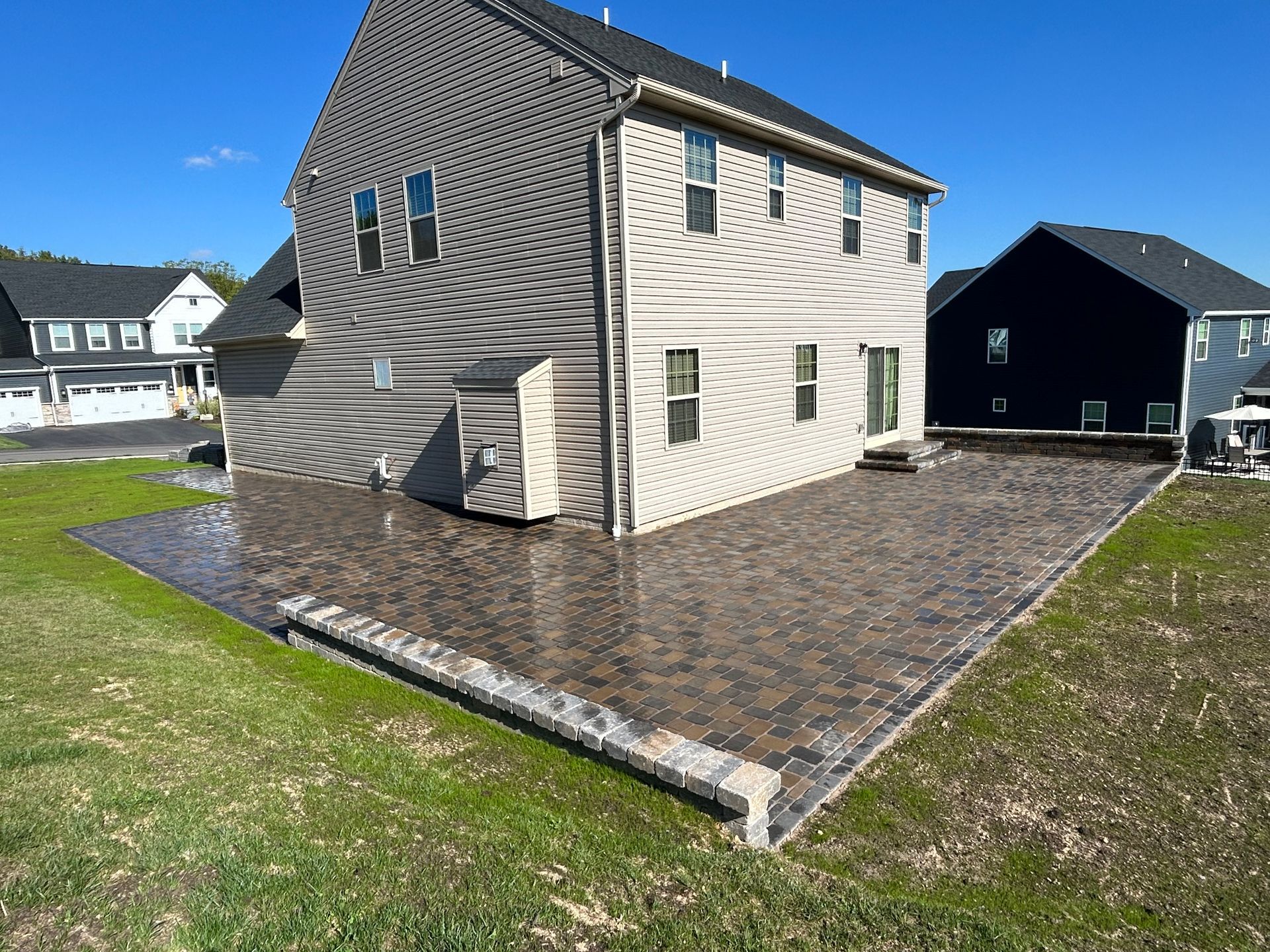
This phased approach can be especially useful when the final plan includes several different elements, such as landscaping, retaining walls, patios, walkways, drainage, or other exterior construction.
Preparing the site first also lets homeowners and their contractor consider how different project elements need to work together before moving into final installation.
For South Hills homeowners planning significant changes for next year, the better question may not be, "Should we wait until spring?" It may be, "What work makes sense to complete now so the property is better prepared for the next phase?"
What Should Homeowners Prioritize Before Freezing Conditions?
The projects worth evaluating first are generally those that address an existing property issue or prepare the site for future work.
That can include grading uneven areas, evaluating drainage concerns, removing unwanted landscape materials, clearing sections of the property, and completing excavation or other preparation needed for a larger project.
Timing still depends on the specific property, scope of work, weather conditions, and project requirements. Homeowners should have the site evaluated rather than assuming every structural landscaping project should automatically be completed in fall.
"Fall can be a practical time to look at the work underneath a landscape project, especially grading, tear-outs, drainage, and site preparation. If homeowners know they want to make larger changes, addressing that groundwork can help put the property in a better position for the next phase of the project," said Dustin Koenig, Owner of Koenig's Landscaping & Construction.
Planning a Larger Landscaping Project in the South Hills?
Fall can be an important planning and construction window for homeowners considering more substantial changes to their property. The key is deciding which parts of the project make sense to complete now and which to schedule for a later phase.
Koenig's Landscaping & Construction serves the South Hills of Pittsburgh and the greater Pittsburgh area with landscape design and installation, excavation and grading, drainage, retaining walls, hardscaping, concrete installation, and related exterior construction services.
If you are considering grading, drainage work, a full landscape tear-out, or another major property improvement, contact Koenig's Landscaping & Construction to discuss your property, project scope, and appropriate timing.