How Proper Drainage Design Protects Your Landscaping Investment
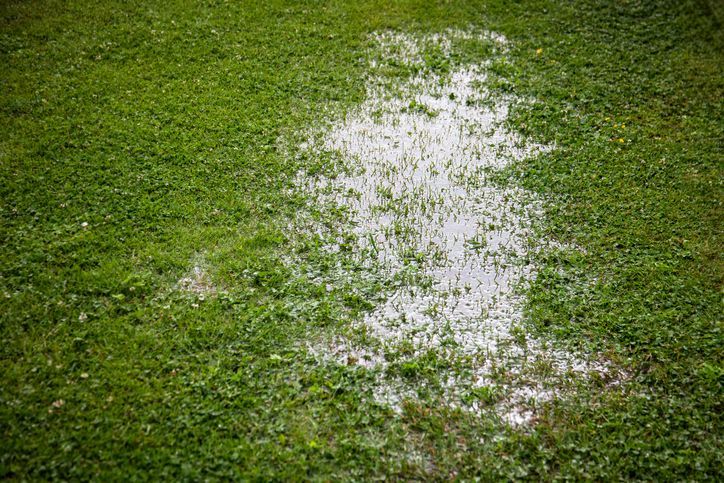
A new patio, fresh planting beds, updated grading, and clean walkways can completely transform a property's look. But even the best-looking outdoor upgrade can run into trouble if water has nowhere to go. Many homeowners do not notice drainage problems right away. Then spring rains arrive, water starts pooling, mulch washes out, lawn areas stay soggy, and edges around hardscapes begin to fail.
That is why drainage should never be treated like an extra. It is a core part of landscape design installation. When drainage is planned from the beginning, it helps protect the appearance, function, and long-term stability of your outdoor space. It also helps support the performance of patios, walkways, retaining walls, planting areas, lawn space, and concrete surfaces over time.
For homeowners in Pittsburgh and surrounding Western Pennsylvania communities, this matters even more because outdoor spaces must handle seasonal runoff, sloped yards, and changing weather conditions year-round. A landscape may be designed to look beautiful, but it also needs to manage water effectively to protect your investment.
Why Drainage Matters in Landscape Design Installation
Every yard interacts with water. Rain falls on lawns, garden beds, patios, walkways, roofs, and driveways. Then it moves somewhere. If that water is not directed properly, it can create a chain reaction of problems across the property.
That is why drainage should be included in the design phase of any landscape installation. Before features like patios, walkways, retaining walls, concrete pads, lawn areas, or planting beds are installed, the property should be evaluated for grading, runoff direction, and low points where water may collect.
This early planning matters because outdoor features do not function independently. A patio affects how water sheds. A retaining wall changes how soil and runoff behave. New beds can alter drainage patterns. Even a small elevation change can influence whether water moves away from the house or settles where it should not.
When drainage is part of the original plan, the finished project is better equipped to stay stable, look clean, and require less corrective work later.
Common Signs of Poor Drainage in a Yard
Drainage issues are often easier to spot than many homeowners realize. Sometimes the signs appear after heavy rain. Sometimes they show up gradually as materials shift or plant health declines.
Common signs of poor drainage include:
- standing water after rain
- muddy or consistently soggy lawn areas
- erosion on slopes or around bed edges
- mulch or decorative stone washing out of place
- puddles forming on patios or walkways
- pavers moving or settling near edges
- plants struggling in overly wet areas
- washout near hardscaping or transitions between materials
These issues are not just cosmetic. They often point to water moving incorrectly through the property. Left alone, that water can weaken base materials, displace soil, saturate root zones, and exert pressure in areas meant to stay dry and stable.
In many cases, the problem is not that a homeowner needs more landscaping. It is that the yard needs a better drainage strategy to support the landscaping already there.
How Poor Drainage Can Damage Softscape and Hardscape Features
Water affects both softscape and hardscape installations. In planting areas, too much water can stress roots, contribute to unhealthy growing conditions, and wash mulch or soil away from the bed. In lawn areas, it can create muddy patches that stay soft and unusable long after a storm passes.
Hardscaping and drainage are especially connected. Patios, walkways, retaining walls, steps, and concrete surfaces all depend on stable support beneath and around them. If runoff is ignored, several problems can follow.
Pooling water on patios and walkways can make surfaces less usable and may signal that the slope is not moving water away as intended. Shifting pavers may develop when the base below them becomes unstable.
Concrete can settle or crack when surrounding soil movement or water infiltration affects support conditions. Around retaining walls, water buildup can increase pressure behind the wall if proper drainage support is not part of the installation.
This is one reason homeowners planning pavers, walls, or concrete work should think beyond surface appearance. A project may look excellent on day one, but its long-term durability depends on what is happening underneath and around it.
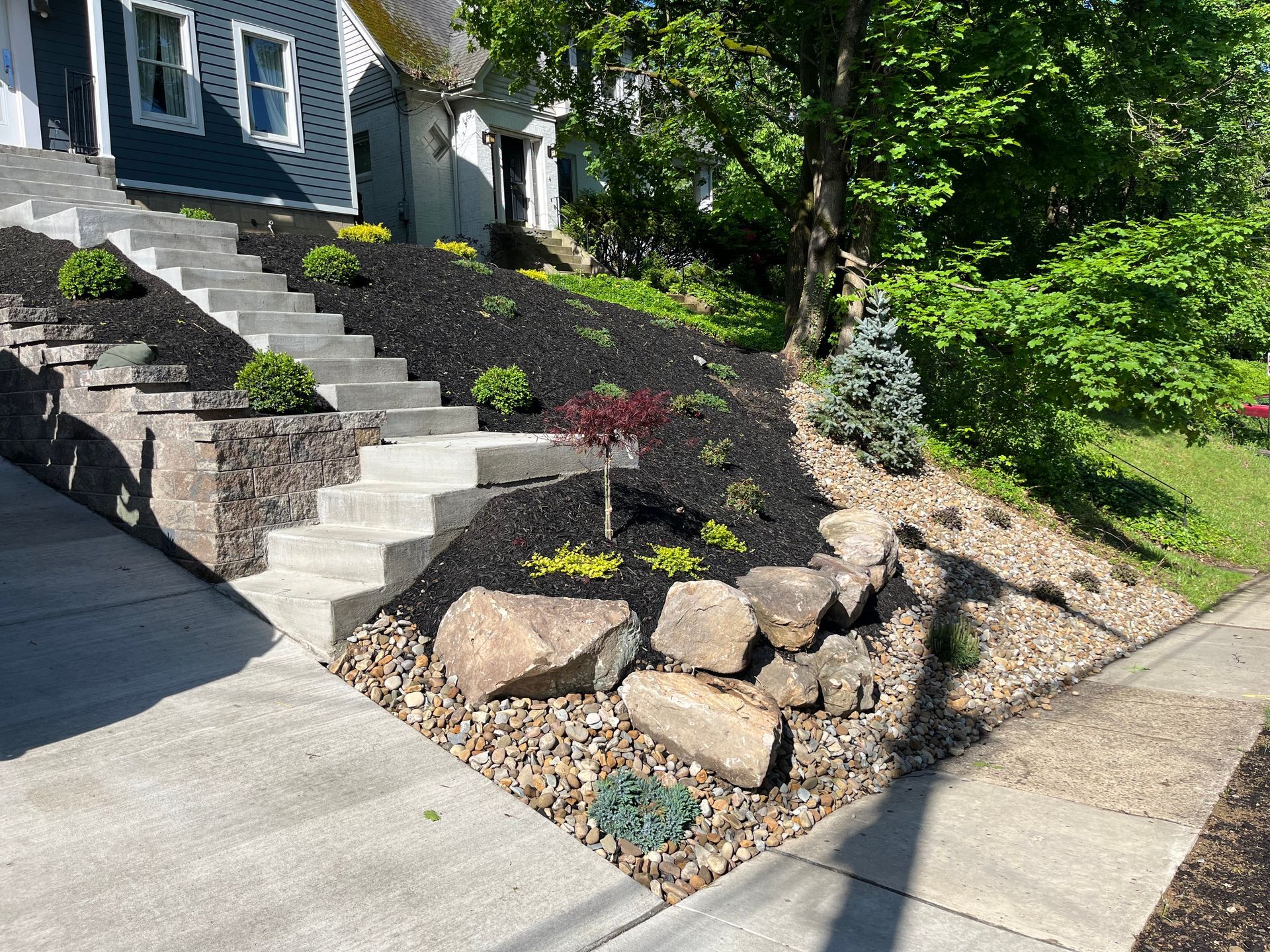
For properties with slope changes or difficult terrain, thoughtful drainage planning becomes even more important. Projects in these settings often benefit from hardscape solutions that address water movement from the start.
The Role of Grading and Runoff Control
Grading is one of the most important parts of runoff control. In simple terms, grading shapes the land so water moves in the right direction instead of collecting where it can cause damage.
That matters around foundations, outdoor living spaces, steps, planting beds, and walkways. If the grade is not properly sloped, water may flow toward the home, settle near a patio, or cut through a bed during heavy rain. Over time, even small grading issues can lead to recurring maintenance headaches and damage to finished work.
In a strong landscape design installation, grading is not separate from the visual design. It works alongside it. The contour of a lawn, the height of a bed, the relationship between a patio and the surrounding ground, and the placement of walls or steps all influence runoff.
This is one reason large outdoor renovations should be planned as complete systems rather than as disconnected upgrades. Homeowners considering broader redesigns often benefit from approaching the work as part of full landscape overhauls, where drainage, grading, and finished features are considered together.
Hardscaping Needs Built-In Drainage Support
Hardscaping is not just about choosing the right materials. It is also about giving those materials the support they need to perform over time.
Patios, walkways, retaining walls, and concrete installations all rely on proper preparation and water management. Some of the most important considerations include slope and pitch, base materials, edge stability, wall backfill, drainage stone, and a clear collection and discharge path for water.
For example, a patio should be built so water moves away from the usable surface rather than pooling on it. A retaining wall needs proper backfill and drainage support behind it. Walkways and steps need stable edges and proper grading around them to prevent runoff from undermining the structure.
Concrete surfaces also need surrounding drainage conditions that help reduce settlement and washout issues.
When these details are overlooked, the consequences often show up later as repairs. When they are handled correctly from the start, the finished hardscape has a better chance of holding its shape, staying level, and remaining functional through the seasons.
Drainage Solutions Vary by Property
There is no one-size-fits-all drainage solution for every yard. What works on one property may not be right for another. The best approach depends on how water moves across the site, where low points exist, how steep the lot is, what features are being installed, and how the different parts of the property connect.
Depending on the property, drainage improvements may include:
- grading adjustments
- swales
- downspout extensions
- catch basins
- channel drains
- French drains
- retaining wall drainage systems
- dry creek beds
- strategic bed placement and plant selection
The important point for homeowners is that drainage should match the site conditions. A soggy lawn area may require a solution other than runoff washing across a patio edge. A sloped yard may require a different strategy than a flat area where water lingers after rain. A retaining wall project may need built-in drainage behind the wall, while a walkway installation may depend more on pitch, base support, and surrounding grade.
That is why drainage planning works best when it is tied directly to the full design and installation process.
Why Spring Often Reveals Drainage Problems
Spring is often when drainage issues become the most obvious. Melting snow, frequent rainfall, and saturated ground can expose weak points in a yard that may not have been as noticeable during drier months.
This is often when homeowners start to see muddy areas, standing water, washed-out mulch, exposed edges around patios, and erosion on slopes or near beds. It is also a common time to notice that walkways are holding water or that low sections of the lawn remain soft and unusable.
These seasonal patterns make spring an important time to evaluate a property. If runoff problems are already visible, they should not be ignored during planning for new landscaping or hardscaping work. In many cases, those visible issues are a sign that drainage corrections should be part of the next project, not postponed.
Why Drainage Planning Saves Money Over Time
Some homeowners see drainage work as an added cost. In reality, preventive planning often helps reduce future expenses.
When water is managed correctly from the beginning, there is less risk of erosion, washout, surface pooling, shifting materials, and repeated maintenance. Planting beds are better protected. Lawn areas are more usable. Hardscape surfaces are more likely to stay stable. Retaining walls and concrete installations are more likely to perform as intended.
By contrast, when drainage is ignored, homeowners may end up paying later to correct avoidable problems. That can mean regrading sections of the yard, repairing failed edges, replacing displaced materials, or addressing water damage around features that should have been protected the first time.
Good drainage design supports long-term value because it helps the entire installation work better, not just look better.
Professional Installation Protects the Full Investment
Landscape design installation is about more than choosing plants or selecting patio materials. It is also about understanding how grading, runoff, hardscaping, and drainage all affect one another.
That is why professional planning matters. A contractor who understands landscaping and hardscaping together is better positioned to create a finished yard that can manage water while supporting the features built into it. This is especially important when a project includes sloped areas, retaining walls, patios, concrete work, or larger redesigns where multiple systems meet.
A beautiful yard should do more than photograph well after installation. It should continue to function well after heavy rain, through seasonal changes, and over years of use. Proper drainage design helps make that possible.
Call Koenig's Today to Build Your Dream Outdoor Space
A well-designed outdoor space should be built to last. That means drainage cannot be treated as an afterthought. It should be part of the original plan for every patio, walkway, retaining wall, planting bed, lawn area, and grading update.
When runoff is managed correctly, it helps protect plant health, reduce erosion, support hardscape durability, and lower the chance of future repairs. It also helps homeowners get more lasting value from their landscaping investment.
If you are planning a landscape design installation, hardscaping project, grading update, or drainage correction, now is the time to look at how water moves across your property. A professionally planned solution can help protect your yard, improve performance, and support the long-term success of the entire project.
Request an estimate to discuss landscape design, hardscaping, grading, or drainage improvements that can help protect your property for the long term.